The Best Blenders for Daily Smoothies and Small Counters
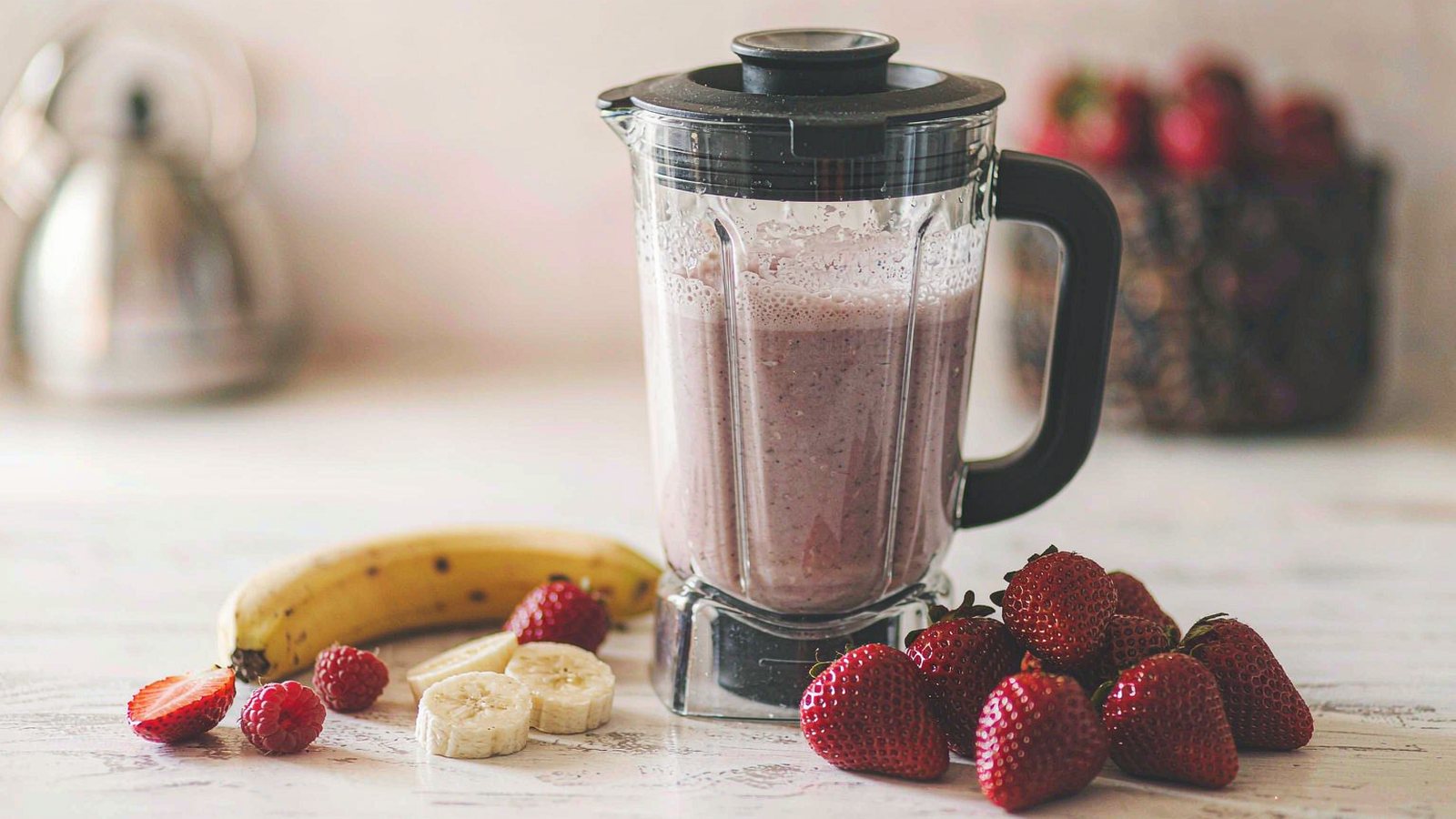
Motor wattage, jar material and blade design decide how a blender handles frozen fruit. Six blenders that suit a smoothie habit and a tight kitchen.
Top picks at a glance
Tap any pick to jump to the full breakdown, or use the link to check the current price.
| Pick | Best for | Check price |
|---|---|---|
| Vitamix Explorian E310 Best overall | Daily smoothie drinkers who want one machine for years | Check price |
| Ninja Professional BL610 Best value | Households blending two or three smoothies at once | Check price |
| NutriBullet Pro 900 Best for one cup at a time | One-person households and anyone who drinks straight from the cup | Check price |
| KitchenAid K400 Blender Best mid-range | Buyers who want presets and a sturdier machine without flagship pricing | Check price |
| Beast Blender Best for a tight counter | Small kitchens where the blender has to live on display | Check price |
| Hamilton Beach Power Elite Blender Best budget | Occasional smoothies, sauces and soups on a small budget | Check price |
A smoothie habit is one of the few kitchen routines that genuinely justifies owning a blender, because you will use it most mornings and a weak machine will make you stop. It is also a habit that exposes bad hardware quickly: frozen fruit is the hardest everyday job you can give a blender, and most cheap machines simply cannot do it without stopping to shake the jar.
So the useful question is not how many programmes a blender has. It is whether the motor, jar and blades work together well enough to turn a frozen brick of berries into something drinkable, and how much of your counter it will occupy while doing it.
What a smoothie really demands
A smoothie load is a mix of liquid, soft fruit, frozen fruit and often leafy greens. The liquid goes to the bottom, the frozen pieces sit on top, and the blades need to pull them down. That is a geometry problem as much as a power problem.
When a blender stalls, it is usually because a frozen chunk has bridged above the blades and the motor is running against air. Machines with tall, narrow jars handle this better, because the sides funnel ingredients back down. Wide jars look generous but let frozen pieces float out of reach, which is why you end up adding more liquid than you wanted.
Wattage, honestly
Manufacturers quote peak wattage, which is the brief maximum the motor can draw, not what it delivers while blending. A blender advertising a very high peak figure can still struggle, and a well-designed machine with a more modest rating can blend smoothly.
A practical range: personal blenders typically sit in the few-hundred-watt class and are best with soft fruit and yoghurt. Full-size machines commonly sit somewhere between roughly 600 and 1,500 watts, with the upper end reserved for dense frozen loads. Anything above that is marketing more than capability for home smoothies.
Jar shape, blade design and seals
Three details separate a blender you keep from one you replace:
- Jar shape. Tall and slightly tapered beats wide and squat for keeping ingredients in contact with the blades.
- Blade assembly. Dull, thin blades with several points work better than thick blunt ones. Blades do not stay sharp forever, and replacing a worn assembly usually costs far less than a new machine.
- Seals and bearings. The blade base is where blenders leak. A removable, replaceable assembly you can clean properly will outlast a sealed one that traps residue.
What we would not pay extra for
- Preset programmes you will never use. Smoothie, ice crush and pulse cover almost everything.
- A soup or hot-blend claim. Unless the jar is rated for hot liquid, you are risking a burn.
- An app or a touchscreen. It fails before the motor does.
- Extra cups and travel lids. Buy the ones you will actually carry.
- Enormous capacity in a one-person home. You will blend one serving in a two-litre jar.
How to choose in ten minutes
- Count servings per blend. One serving points to a personal blender, two or more to a full-size jar.
- Decide your hardest ingredient. Ice and frozen blocks push you up a tier; fruit and yoghurt do not.
- Measure your space: counter depth, cupboard clearance and sink height for washing.
- Check jar material and how the blade assembly comes apart for cleaning.
- Confirm replacement cups, jars and blades are sold separately, since seals wear first.
- Check the current price and the return window so an overly loud machine can go back.
When not to buy one
If you blend once a fortnight, a stick blender and a bowl usually beat a machine that lives on the counter. If you mostly want protein shakes with soft ingredients, a cheap personal blender will do everything the expensive ones will. And if there is no clear counter space and no cupboard tall enough, the honest answer is that a blender will end up in a box, no matter how good it is.
A note on how this guide was put together
We did not run blending tests. This roundup is based on published specifications such as motor rating, jar material and capacity, plus the recurring themes in owner reviews written months later, where seal leaks, cracked jars and stalling motors show up. Where we describe how a machine handles frozen fruit, we are summarising consistent owner experience and the geometry of the jar rather than presenting measurements of our own. Prices move often, so every pick says check the current price.
Our picks in detail
Vitamix
01 Vitamix Explorian E310
The least expensive route into the Vitamix design, with the tall narrow jar that moves frozen fruit and leafy greens down into the blades. It is loud, and the tall jar will not fit under every wall cabinet.
Best for: Daily smoothie drinkers who want one machine for years
- High-output motor with published peak wattage
- Tall narrow container designed to fold ingredients back into the blades
- Variable speed dial with a pulse setting
- Self-cleaning with warm water and a drop of soap
Pros
- Handles frozen fruit and kale without stalling
- Jar shape does most of the work, so you rarely need a tamper
- Parts and replacement containers widely available
Cons
- Genuinely loud in a small kitchen
- Tall container needs vertical clearance in a cupboard
- No preset programmes at this price
We may earn a commission from this link. Learn more.
Ninja
02 Ninja Professional BL610
A large-capacity blender at a fraction of the premium price, with stacked blades that do a credible job on ice and frozen fruit. The plastic jar scratches over time and the base is bulky.
Best for: Households blending two or three smoothies at once
- Total Crushing blade assembly designed for ice and frozen fruit
- Large-capacity jar for family batches
- Three speeds plus pulse
- Removable blade assembly for washing
Pros
- Very capable for the money, particularly with frozen ingredients
- Big jar means one blend for several servings
- Simple controls with nothing to programme
Cons
- Jar is tall and wide, so check cupboard clearance and sink size
- Loud, with a high-pitched note
- Jar plastic shows scratching and clouding over years
We may earn a commission from this link. Learn more.
NutriBullet
03 NutriBullet Pro 900
Blend in the cup you drink from, then swap the blade for a lid. It is the fastest cleanup on this list and the least capable with ice, so it suits fruit and yoghurt more than crushed-ice drinks.
Best for: One-person households and anyone who drinks straight from the cup
- Cup-and-blade design with to-go lids included
- Mid-range motor with published wattage
- Twist-to-blend operation
- Cups and blades available as replacements
Pros
- Cleanup takes seconds because there is no separate jar
- Takes up very little counter space
- Cheaper than a full-size blender with similar single-serving results
Cons
- Struggles with large ice cubes and thick nut butters
- Cup capacity limits batch size
- Blade base seals can wear and leak
We may earn a commission from this link. Learn more.
KitchenAid
04 KitchenAid K400 Blender
A middle option with preset programmes and a solid feel that sits between the budget machines and the flagship blenders. It is not as aggressive with frozen fruit as the Vitamix, and the jar is heavy.
Best for: Buyers who want presets and a sturdier machine without flagship pricing
- Preset programmes for smoothies, ice crush and other tasks
- Symmetric blade design with a soft-start motor
- Heavy-duty jar with generous capacity
- Control dial with variable speed
Pros
- Presets remove guesswork for everyday smoothies
- Soft start keeps dry ingredients from clouding the lid
- Feels more solid than the budget machines
Cons
- Heavy jar to lift and wash
- Less powerful on dense frozen loads than the top pick
- Takes up real counter depth
We may earn a commission from this link. Learn more.
Beast Health
05 Beast Blender
A slim personal blender designed to look acceptable left out, with a lower profile than most full-size machines. The tradeoff is capacity and genuine blending power on hard ingredients.
Best for: Small kitchens where the blender has to live on display
- Slim vertical design with a 1,000-watt-class motor
- Vented lid and a drinking lid included
- Micro-safe blending cup
- Available in several matte finishes
Pros
- Narrow footprint that fits a small gap on the counter
- Quieter than most high-power blenders
- Cup doubles as a bottle to take out
Cons
- Small capacity, so it is one serving at a time
- Not designed for ice crushing or hot liquids
- Replacement cups cost more than generic alternatives
We may earn a commission from this link. Learn more.
Hamilton Beach
06 Hamilton Beach Power Elite Blender
A cheap blender with a glass jar, which is unusual at this price and easier to keep clean than plastic. It will blend fruit and yoghurt all day and struggle with frozen blocks and fibrous greens.
Best for: Occasional smoothies, sauces and soups on a small budget
- Glass jar with a traditional four-blade assembly
- Multiple speeds plus a pulse button
- Wave-action design that pulls ingredients toward the blades
- Dishwasher-safe jar and lid
Pros
- Glass does not scratch, cloud or hold onto smells
- Very cheap and widely available
- Easy to replace if it eventually fails
Cons
- Weaker motor struggles with frozen fruit
- Glass jar is heavy
- Leaves fibrous greens partly intact
We may earn a commission from this link. Learn more.
The bottom line
Our verdict
For a daily smoothie habit, the Vitamix Explorian E310 is the pick that will still be working in ten years, and its jar shape is the real reason it handles frozen fruit without constant tampering. If you blend for more than two people or want to spend far less, the Ninja Professional BL610 does the job capably. For one person who wants the cup to be the cleanup, the NutriBullet Pro 900 is the practical answer. Check the current price and, before ordering anything tall, measure the clearance under your cupboards and the height of your sink.
Frequently asked questions
How much wattage do I actually need?
Enough for frozen fruit and ice, which is the hardest thing most people ask of a blender. Manufacturers quote peak rather than continuous wattage, so a higher number is not always a stronger machine. A well-designed jar and blade assembly matters as much as the motor rating.
Is a glass jar better than plastic?
Glass is heavier, does not scratch, and does not pick up the smell of what you blended last week. Plastic jars are lighter, cheaper and less likely to shatter, but they cloud and scratch over time. Either works, and both will stain if you blend a lot of turmeric.
Why does my smoothie stall?
Usually because the blades are not getting contact with the hardest pieces. Add liquid first, then soft ingredients, then frozen fruit and ice on top, and stop to shake or use the tamper rather than running the motor at a standstill, which heats the motor and dulls blades.
Can I blend hot soup in a blender?
Only if the manufacturer says the jar is rated for hot liquids, and even then you should fill it no more than halfway and vent the lid. Sealed hot liquid expands and can blow the lid off, which is a burn risk rather than a mess.
Sources & further reading
- Vitamix — official Explorian blender product and specification page
- Ninja — official blender range and specification page
- KitchenAid — official K400 blender product page
Facts and availability last checked September 15, 2026.
Keep going
Related guides
 Home
Home The Best Air Fryers for Two-Person Households
Basket size, footprint and cleaning effort decide whether an air fryer earns its counter. Six models sized for two people, from compact to oven-style.
 Home
Home The Best Standing Desks for a Small Home Office
Stability, desktop depth and assembly effort matter more than lift speed. Here is how to pick a height-adjustable desk that fits a small home office.
 Home
Home The Best Shower Heads for a Five-Minute Bathroom Upgrade
Flow rate, spray pattern and thread size decide whether a new shower head helps. Six models for weak pressure, low flow and plain tired fixtures.