The Best Gifts for Hikers and Outdoorsy Friends
Gift ideas for hikers and outdoorsy friends, from socks with a published lifetime guarantee to a satellite messenger, plus what experienced walkers already own.
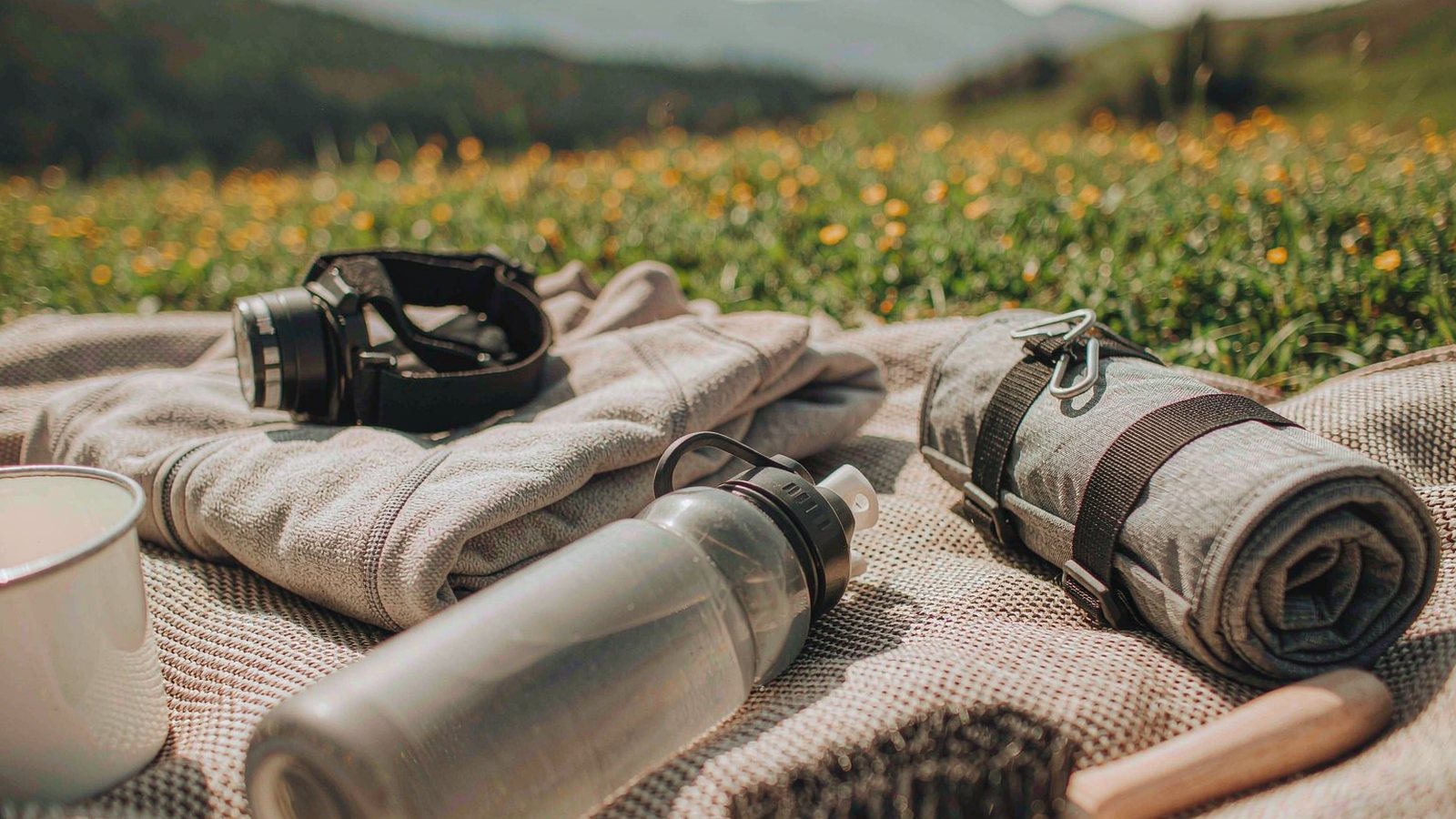
Top picks at a glance
Tap any pick to jump to the full breakdown, or use the link to check the current price.
| Pick | Best for | Check price |
|---|---|---|
| Darn Tough Hiker Micro Crew Cushion Socks Best overall | Any regular walker, and anyone whose current socks have holes in the heel | Check price |
| Black Diamond Spot 400 Headlamp Best small practical gift | Campers, early starters, dog walkers and anyone who has ever held a phone torch in their teeth | Check price |
| Garmin inReach Mini 2 Best big-ticket gift | Anyone who hikes, skis or paddles alone, or in places with no phone coverage | Check price |
| Jetboil Flash Cooking System Best for the backpacker | Backpackers, campers and car campers who mainly need hot water | Check price |
| Hydro Flask Wide Mouth Bottle Best everyday bottle | Day hikers, commuters and anyone who wants cold water at the summit | Check price |
| REI Gift Card Best when you are unsure | Anyone whose boot size, pack fit or layering preferences you do not know | Check price |
Outdoor gear is one of the hardest categories to buy for, and the reason is fit. Boots, packs and waterproofs are chosen over months of trial and error by people who care about them, and a well-meaning gift in those categories has a high chance of being quietly returned or left in a cupboard.
There is an easier path. Hikers wear things out constantly, and they wear out the cheap versions first. Everything below is either a consumable, a small item that needs no fit, or a big-ticket item you should discuss before buying.
Why gear is a bad gift unless you know the person
A hiker’s kit is a set of deliberate trade-offs. Weight against durability, breathability against waterproofing, warmth against pack size. Each item was chosen against the others, and adding something unexpected can break the system rather than improve it.
That does not mean gear is off limits. It means the good gifts are the ones that wear out, get lost or get consumed, because those slot into any system without disrupting it.
The consumables every hiker runs out of
Socks, water treatment tablets, gas canisters, freeze-dried meals, blister plasters, sun cream, lip balm. None of these feel like a present in isolation, and all of them are used within a season. Pair two or three together and the gift becomes practical rather than apologetic.
Socks deserve special mention. They are the most common failure point in a walker’s kit, they are cheap enough to buy several pairs of, and a good merino pair genuinely changes a long day. The sizing is by shoe size, so it is knowable without asking an awkward question.
Small, light, hard to duplicate
Headlamps, a good compass, a water filter, a small dry bag, a repair patch kit, a lightweight sit pad. These are the items people mean to upgrade and never get around to, and they take up almost no space in a pack.
If you want one recommendation for a hiker whose kit you have never seen, choose the headlamp. Almost everybody owns a mediocre one, almost nobody owns a bad one on purpose, and it needs no sizing or fit decision.
The big-ticket items worth asking about first
A satellite messenger, a stove system, a sleeping bag, a tent. These are the gifts that make an impression, and they are also the ones most likely to be wrong. Ask directly. Most hikers will happily tell you the exact model and size they want, and the surprise is preserved by not telling them when you will buy it.
If you do buy a satellite messenger, understand that it needs an active subscription. Giving the hardware without the plan is like giving a phone with no SIM card.
Sizes, fit and the return problem
Any item that involves a size needs a gift receipt. Socks, gloves and hats are low risk. Boots, packs and waterproof trousers are high risk, because a half size wrong is the difference between a good day and a painful one.
If you are buying online, check the return window before you order. Outdoor retailers vary considerably in how long you have and whether used items can come back, and the recipient may not be able to test the item until the following weekend.
What not to pay a premium for
- Ultralight everything. Shaving grams costs disproportionately, and it only pays off for someone carrying the kit over long distances. For a day hiker it is wasted money.
- Brand-new model years. Outdoor gear changes slowly. Last season’s version of a jacket or a stove is usually the same product with a different colour and a lower price.
- Multi-tools with twenty functions. The useful ones have three, and the rest add weight and failure points.
- Waterproof ratings beyond the trip. A jacket rated for expedition conditions is heavier and costlier than the rain most people actually walk in.
- Novelty survival kits. They tend to be full of items that would break on first use and displace gear the recipient already trusts.
Three budgets, three honest suggestions
Small. Socks, blister care, a compact headlamp, water treatment, a decent hip flask if they drink. Buy the good version of a small thing rather than the cheap version of a big thing.
Middle. A stove system, a filter, a proper daypack, a lightweight insulated bottle. This is where a well-chosen item genuinely upgrades a kit.
Large. A satellite messenger, a sleeping bag rated for the conditions they actually walk in, or a contribution towards a big trip. At this level, ask rather than surprise.
How to choose in a few minutes
- Work out what they replace most often. That is your category, and it is almost always socks or gloves.
- Avoid anything that needs a fit. No boots, no packs, no trousers.
- Check what they already own if you can. Duplicate bottles and headlamps are the two most common mistakes.
- Decide whether you are buying an object or a plan. A guided trip or a hut booking can outlast any item.
- Confirm the current price and the return window. Seasonal gear is discounted heavily and unpredictably.
When an experience beats any object
A guided skills course, a navigation workshop, a hut booking, a permit for a trail they have been talking about for years. These gifts require the recipient to actually go, which is the point. Pair the booking with a small physical item so there is something to open, and make sure the dates work before you pay for anything.
A note on how this guide was put together
This article is based on published manufacturer specifications, warranty and guarantee terms, care instructions and consistent themes in long-term owner reviews, including the ones that describe failures. We did not field-test this gear and we have not surveyed hikers about their preferences. Fit and personal preference dominate in this category, so check the current price, confirm the size and keep the receipt.
Our picks in detail
Darn Tough
01 Darn Tough Hiker Micro Crew Cushion Socks
Merino wool hiking socks that the brand backs with a published unconditional lifetime guarantee, which is unusual in apparel and makes them a genuinely low-risk gift. Sizing is by shoe size, so check it rather than guessing.
Best for: Any regular walker, and anyone whose current socks have holes in the heel
- Merino wool blend with cushioning under the foot
- Published unconditional lifetime guarantee from the manufacturer
- Ribbed cuff and a performance fit around the arch
- Machine washable, though air drying extends the life
Pros
- The published guarantee removes most of the risk of a bad purchase
- Merino wool regulates temperature and resists odour
- Used on every walk rather than saved for special trips
Cons
- Expensive compared with ordinary walking socks
- Wool blends still wear out eventually, guarantee or not
- Needs the correct shoe size to fit properly
We may earn a commission from this link. Learn more.
Black Diamond
02 Black Diamond Spot 400 Headlamp
A compact headlamp with a published brightness rating and a red night mode, which is the version other people in the tent will thank you for. It is small enough to be a stocking filler and useful enough to be the main gift.
Best for: Campers, early starters, dog walkers and anyone who has ever held a phone torch in their teeth
- Rechargeable or battery-powered versions in the same range
- Multiple brightness settings including a red night mode
- Published water resistance rating for rain and splashes
- Adjustable tilting housing and an elastic headband
Pros
- Hands-free light, which matters the moment it gets dark early
- Red mode preserves night vision and does not wake a tent
- Light enough to forget it is in the pack
Cons
- Rechargeable versions need charging before a trip
- Battery versions need spare cells you will have to remember
- Easy to lose, because it is small and dark coloured
We may earn a commission from this link. Learn more.
Garmin
03 Garmin inReach Mini 2
A palm-sized satellite communicator with two-way messaging and an SOS function that works beyond mobile signal. It requires an active subscription, so never give it as a surprise without discussing the running cost.
Best for: Anyone who hikes, skis or paddles alone, or in places with no phone coverage
- Satellite messaging and location sharing outside mobile coverage
- Emergency SOS function linked to a rescue coordination centre
- Subscription plan required and sold separately
- Compact, rugged housing with a small display and paired app
Pros
- Provides a way to raise help where a phone cannot
- Lets family follow a route remotely
- Small and light enough to carry on every trip
Cons
- Useless without the ongoing subscription
- Not a replacement for a paper map, a compass or judgement
- Small screen and menu system take some learning
We may earn a commission from this link. Learn more.
Jetboil
04 Jetboil Flash Cooking System
An integrated stove and pot that boils water quickly and packs into its own mug, which suits dehydrated meals and coffee. It is a boiling device rather than a general purpose stove, so it is a poor fit for anyone who cooks real food on the trail.
Best for: Backpackers, campers and car campers who mainly need hot water
- Integrated burner and insulated pot that nest together
- Push-button ignition on most models
- Insulated sleeve with a heat indicator on the outside
- Gas canister sold separately
Pros
- Fast to boil and simple to operate in bad weather
- Everything packs into one unit, so nothing rattles loose
- Insulated sleeve means it can be held without a handle
Cons
- Not suited to simmering or proper cooking
- Tied to a specific canister format
- Heavier and bulkier than a minimalist titanium pot and burner
We may earn a commission from this link. Learn more.
Hydro Flask
05 Hydro Flask Wide Mouth Bottle
A double-wall insulated bottle that keeps water cold on a hot climb and does not sweat in a bag. It is a widely owned item, so check before buying, and remember that insulation makes it heavy for long distances.
Best for: Day hikers, commuters and anyone who wants cold water at the summit
- Double-wall vacuum insulated stainless steel
- Wide mouth opening that fits most filters and ice cubes
- Range of caps and lids sold separately
- Powder-coated finish in several colours
Pros
- Keeps drinks cold for hours in summer heat
- Does not leak in a pack when the lid is on properly
- Replacement lids are easy to find
Cons
- Heavier than a soft flask or a plain plastic bottle
- Almost everybody in this hobby already owns one
- Powder coating chips if it is dropped on rock
We may earn a commission from this link. Learn more.
REI
06 REI Gift Card
Outdoor gear is fit-dependent and personal, which makes a specialist retailer card the honest answer more often than people admit. It also lets the recipient wait for a sale and get considerably more for the same money.
Best for: Anyone whose boot size, pack fit or layering preferences you do not know
- Gift card redeemable at the retailer's stores and website
- Available in several amounts, physical or digital
- Can be applied to sale and clearance items
- No expiry in the near term
Pros
- Guarantees the recipient gets something that fits
- Can be combined with member dividends and seasonal sales
- Useful for consumables like gas canisters and freeze-dried meals
Cons
- Feels impersonal to open
- Ties the recipient to one retailer
We may earn a commission from this link. Learn more.
The bottom line
Our verdict
For almost any hiker, the merino socks are the safest gift on this list, because the size is knowable, the brand's published guarantee transfers the risk, and the item gets used on every trip. If you want something with more presence, the headlamp is the next best step up and needs no sizing at all. Save the satellite communicator for someone who walks alone in areas without signal, and talk about the subscription before you buy it, because a device with an unpaid plan is a paperweight. If you genuinely do not know their boot size or pack fit, buy the gift card instead of guessing at boots.
Frequently asked questions
What gear do experienced hikers already own?
Boots, a pack, waterproofs, poles and a stove, usually chosen carefully over years. Do not buy those as a surprise. The safe categories are consumables, socks, headlamps, water treatment and anything that wears out and needs replacing regularly.
Is clothing a good gift for a hiker?
Only when the size is known and the fit is not critical. Socks, hats, gloves and base layers in a confirmed size work well. Boots, packs and waterproof trousers do not, because fit is the entire product and a wrong one cannot be worked around.
Are GPS devices and satellite messengers worth the money?
For anyone who travels alone beyond phone coverage, a satellite messenger is the difference between a problem and a crisis. It does require a subscription, so factor that in as part of the gift. For well-covered day walks close to towns, a phone app is usually sufficient.
What should I avoid giving an outdoorsy friend?
Cheap multi-tools that break, survival kits full of items nobody uses, heavy gadgets marketed on fear, and anything that duplicates the item they have already researched for months. A small, specific, good version of something they genuinely use beats a large novelty kit.
Sources & further reading
- REI — official gear, sizing and returns information
- Garmin — official satellite communicator product pages
- Darn Tough — official sock product and guarantee details
Facts and availability last checked September 15, 2026.
Keep going
Related guides
 Gifts
Gifts The Best Gifts for Teens Who Already Own Everything
Gifts for teenagers who already own everything, with honest notes on what gets used daily, what gets abandoned by February, and when a gift card is the better answer.
 Gifts
Gifts The Best Housewarming Gifts for a First Apartment
Housewarming gifts for a first apartment, from a genuinely useful kitchen workhorse to the unglamorous upgrades nobody ever buys for themselves.
 Gifts
Gifts Best Gifts for Parents Who Say They Want Nothing
Gift ideas for parents who insist they want nothing, from experiences and consumables to small upgrades, plus honest notes on what to avoid giving them.