The Best Wireless Earbuds for Small Ears
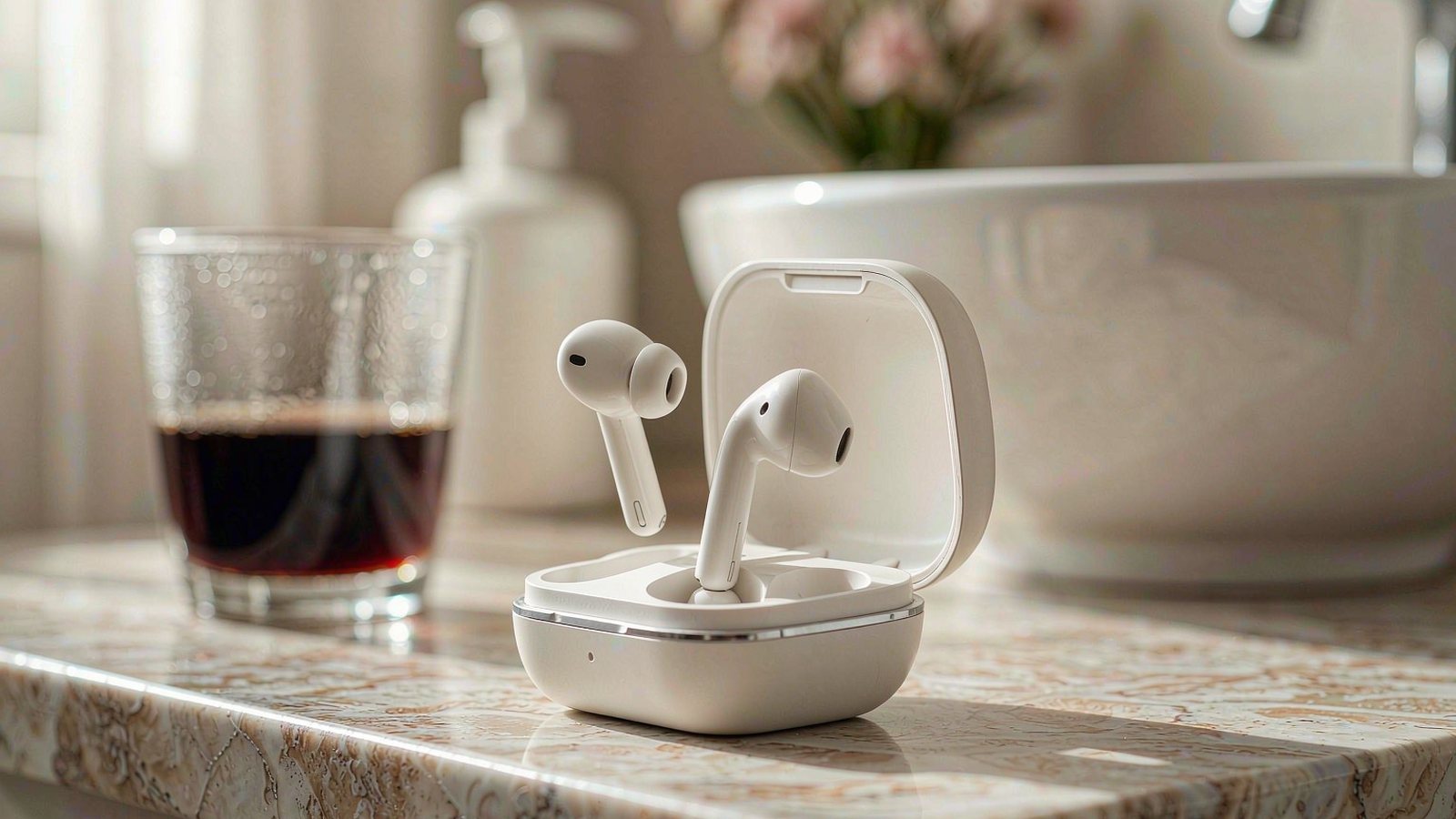
Most earbud guides ignore small ear canals. We compare housing sizes, tip options and retention designs to find the buds that actually stay in.
Top picks at a glance
Tap any pick to jump to the full breakdown, or use the link to check the current price.
| Pick | Best for | Check price |
|---|---|---|
| Apple AirPods Pro (2nd generation) Best overall for narrow canals | iPhone owners with narrow ear canals who want noise cancellation without a fight over the seal | Check price |
| Samsung Galaxy Buds2 Pro Best compact housing | Android users who want a bud that disappears into the ear rather than filling the whole concha | Check price |
| Sony WF-1000XM5 Best noise cancelling | Commuters who want maximum noise reduction and have struggled with bulky flagship buds | Check price |
| Beats Fit Pro Best for running and gym wear | Runners, cyclists and anyone whose buds work loose as soon as they sweat | Check price |
| Bose QuietComfort Ultra Earbuds Best for tunable fit | People whose ears fall between tip sizes and who want to mix and match until it works | Check price |
| Anker Soundcore Space A40 Best value | A second pair for a bag, a commute backup, or anyone testing whether in-ear buds work for them at all | Check price |
Earbud reviews almost always test the same handful of things: sound quality, battery, call clarity, noise cancellation. Fit gets a sentence at the end and a note that it is personal. For a lot of people that sentence is the entire decision.
If a bud will not seal in your ear, nothing else about it matters. Bass disappears, you turn the volume up to compensate, the person next to you hears your podcast, and the bud works its way loose every time you chew. The specifications on the box are describing a product you will never actually experience.
This guide is about the parts of the decision that fix that.
Why small ears are a different problem, not just a smaller version of the same one
There are two separate dimensions here and marketing tends to blur them. Canal diameter decides whether a tip can seal. The shape of the outer ear, the concha, decides whether the housing has anywhere to sit.
A bud can be light and still uncomfortable because the body is too wide for the bowl of your ear. It can be small and still fall out because the tip is the wrong size. And a bud that fits perfectly at a desk can pop out the moment you break a sweat and the silicone loses grip.
The good news is that the category has moved in your direction. Flagship buds have generally got smaller over the last two or three generations, and extra-small tips have gone from an oddity to a standard inclusion on the better models. It is a much better time to be shopping for this than it was five years ago.
The five things that decide whether a bud stays put
1. How small the smallest tip actually is
Count the tip sizes in the box, then ask what the smallest one is. Three sizes is the norm; four is better. The practical question is whether the smallest option is genuinely small enough for a narrow canal, and whether the brand sells replacements separately. Tips are the first part to wear out or get lost, and a bud with no spare tips available is a bud with a short life.
2. Housing width, not weight
Weight gets quoted because it is easy to measure. Width is what presses on the outer ear. A rounded, low-profile body distributes contact across a wider area than a flat-backed one, which is why two buds of identical weight can feel completely different after an hour. Look at photographs side-on rather than reading the gram figure.
3. Wings, fins and stabilising bands
Most retention complaints are solved by geometry rather than size. A flexible wing that hooks into the natural ridge of the ear holds a bud in place without needing a tighter tip, which means you can keep the comfortable tip size and still run. This is why a wing-tip design often works for people who have given up on smooth-bodied buds.
4. Stem length and how you get them out
Short stems sit closer to the head, which keeps the weight over the ear rather than hanging off it. Long stems are easier to pinch and remove. If your fingers are large or your nails are long, a very short stem can turn a simple task into a daily struggle. It sounds trivial until you are doing it four times a day.
5. The case, which nobody mentions
A case that will not fit the pocket you actually use means the earbuds stay at home. Measure the case, not the bud. Some otherwise excellent compact earbuds ship in cases that are visibly bulkier than the competition, and that single detail decides how often you carry them.
What we would not pay extra for
- Spatial audio. Fun for a film on a plane. It should never influence a fit decision.
- Hi-res codec badges. On a train, ambient noise masks far more detail than any codec difference introduces.
- A “sport” version of the same bud. Usually the same housing with a different colour and a higher price.
- Wireless charging on the case. Convenient, but worth less than a tip size that fits.
- An IP rating above what you need. Sweat resistance is useful. Anything beyond that is mostly marketing for a product you are not going to swim in.
A two-week routine that tells you more than any review
Buy from a retailer with an unhurried return window, then do the following before it closes.
- Start with the smallest tip, not the medium. Most people default to medium because it looks right, and most fit problems come from that habit.
- Do the seal test properly. Many apps include a fit check. Use it, then confirm by cupping your hands over your ears while music plays — the sound should barely change.
- Wear them for two hours at a desk. Discomfort from pressure builds slowly. Twenty minutes tells you nothing.
- Go for a run or climb a flight of stairs. Sweat changes everything. This is where loose buds reveal themselves.
- Try them under a hat or helmet if you wear one. Clearance is a fit constraint that never appears in reviews.
- Return them if the answer is no. A bud that fits badly is worth nothing, no matter how good the reviews were.
When earbuds are the wrong purchase
If you have tried extra-small tips, foam tips and a wing-tip design and still cannot get a stable seal, stop buying in-ear buds. The problem is not the model. Look at open-ear designs that hook over the ear, bone conduction headsets, or a pair of over-ear headphones that do not depend on canal geometry at all.
That is not a defeat. It is the cheaper and more comfortable answer, and it takes far less time than working through a fifth pair of in-ears.
How this guide was researched
We did not run a laboratory or measure ear canals. This comparison is based on published product specifications, manufacturer fit guidance, the contents of each retail box and consistent themes in long-term owner reports — particularly the complaints that appear six months after purchase rather than in launch coverage. Where we describe comfort or retention, we are describing patterns in owner experience, not a controlled test we performed ourselves. Fit is the most personal variable in consumer audio, so treat this as a shortlist rather than a verdict. Prices move constantly, so check the current price on a live listing rather than trusting a figure from any article, including this one.
Our picks in detail
Apple
01 Apple AirPods Pro (2nd generation)
The most useful thing here is the box contents. Apple includes an extra-small tip option that most rivals still do not, and the tips are sold separately when you inevitably lose one.
Best for: iPhone owners with narrow ear canals who want noise cancellation without a fight over the seal
- In-ear design with active noise cancellation and a transparency mode
- Ships with four tip sizes including an extra-small option
- Replacement tips sold separately in multi-size packs
- Spatial audio with head tracking for film and games
Pros
- Extra-small tips fit canals that medium-only rivals cannot seal
- Short stem keeps the bud close to the ear rather than hanging out
- Software fit test tells you when the seal is wrong
Cons
- Still one of the pricier options on this list
- Most ecosystem features only work properly with Apple devices
We may earn a commission from this link. Learn more.
Samsung
02 Samsung Galaxy Buds2 Pro
Among the smallest mainstream buds you can buy. The low-profile, rounded body sits flush against the ear, which matters more than weight if you wear a helmet or a beanie.
Best for: Android users who want a bud that disappears into the ear rather than filling the whole concha
- Compact in-ear design with active noise cancellation
- Bean-shaped housing intended to sit flush with the ear
- Multiple tip sizes supplied in the box
- High-resolution audio support on compatible Samsung devices
Pros
- Very low profile under hats, helmets and motorcycle straps
- Light enough that you forget you are wearing them
- Charging case is small enough for a coin pocket
Cons
- Smooth housing offers little grip, so sweat can loosen the seal
- Feature set is thinner outside Samsung phones
We may earn a commission from this link. Learn more.
Sony
03 Sony WF-1000XM5
Sony made this generation noticeably smaller and lighter than the previous one, which is exactly the direction small-eared buyers needed. The cancellation is still the strongest in the category.
Best for: Commuters who want maximum noise reduction and have struggled with bulky flagship buds
- In-ear active noise cancellation with an ambient sound mode
- Reduced housing size compared with the previous generation
- Multiple ear tip sizes plus memory foam options
- Companion app with a fit and seal check
Pros
- Best-in-class cancellation of engine and traffic rumble
- Smaller body than the previous generation without losing battery life
- Detailed, adjustable sound through the app
Cons
- Foam tips are comfortable but wear out faster than silicone
- The glossy surface shows earwax and fingerprints immediately
We may earn a commission from this link. Learn more.
Beats
04 Beats Fit Pro
The flexible wing tip is the whole point. It hooks into the ridge of the ear without adding much bulk, which is the most reliable way to keep a bud in place during movement.
Best for: Runners, cyclists and anyone whose buds work loose as soon as they sweat
- In-ear design with a flexible wing tip for retention
- Active noise cancellation and a transparency mode
- Sweat and water resistance rating for exercise
- Apple silicon with some Android app support
Pros
- Wing tip holds the bud in place during hard activity
- Comfortable for long sessions because the wing carries the load
- Fits smaller ears that cannot hold a smooth-bodied bud
Cons
- Wing tip takes a few days to get used to if you wear them at a desk
- No wireless charging on the case
We may earn a commission from this link. Learn more.
Bose
05 Bose QuietComfort Ultra Earbuds
Bose treats fit as something you adjust rather than something you accept. The stabilising band and tip combinations let you tune retention separately from sealing, which is rare.
Best for: People whose ears fall between tip sizes and who want to mix and match until it works
- In-ear design with a separate stabilising band
- Multiple combinations of tip and band sizes
- Adjustable noise cancellation and an aware mode
- Immersive audio mode for film and music
Pros
- Independent fit adjustment is genuinely useful for awkward ears
- Strong noise cancellation on low-frequency noise
- Comfortable for long listening once dialled in
Cons
- Smaller parts are easier to lose and replacements cost money
- Getting the right combination takes patience
We may earn a commission from this link. Learn more.
Anker
06 Anker Soundcore Space A40
An inexpensive pair that punches above its price on battery life and compactness. The honest caveat is that the tips are standard sizes with nothing extra-small in the box.
Best for: A second pair for a bag, a commute backup, or anyone testing whether in-ear buds work for them at all
- Compact in-ear design with adaptive noise cancellation
- Several tip sizes supplied in the box
- Long rated battery life with the case
- App-based EQ and control customisation
Pros
- Very small case that genuinely fits a jeans pocket
- Strong battery life for the money
- Low enough cost that losing one is not a disaster
Cons
- No extra-small tip option, so the smallest canal sizes may still struggle
- Microphone quality is a clear step down from the premium picks
We may earn a commission from this link. Learn more.
The bottom line
Our verdict
If your ear canals are genuinely narrow, start with the Apple option — the extra-small tips and the software seal check solve the problem before you spend money on aftermarket foam. Android users who dislike bulky buds should look at the Samsung pair, which sits flatter in the ear than anything else here. If noise cancellation is the priority, Sony's smaller flagship is the one to beat. Only consider the budget Anker pair if you fit a standard medium tip, because none of the cost savings help you if the smallest tip in the box is still too large. Whichever you choose, buy from a retailer with a real return window and use it — fit is personal and no specification sheet will tell you whether a bud stays in your ear.
Frequently asked questions
Can I just buy third-party foam tips instead of changing earbuds?
Often yes. Foam tips compress and expand to fill an irregular canal, so they can rescue a bud that will not seal with silicone. The trade-offs are cost, faster wear, and slightly different sound, because foam absorbs some high frequencies. It is usually worth trying a multi-size foam pack before replacing the earbuds themselves.
Why do my earbuds feel fine for ten minutes and then start to hurt?
That is usually pressure rather than size. A tip that is slightly too large presses outward against the canal wall, and the discomfort builds slowly. Going down one size often fixes it, even if the smaller tip feels looser at first. If the pain is at the outer ear instead, the housing is probably too wide.
Do smaller earbuds necessarily have worse battery life?
Not necessarily, but there is a relationship. A smaller housing leaves less room for a battery, so many compact buds rely on the case for their headline figure. The number that matters is how long a single charge lasts, not the combined figure with the case.
Is bone conduction or an open-ear design better for small ears?
It can be, because neither needs a sealed canal. Open-ear designs hook over the ear and sit outside it entirely, which sidesteps the fit problem completely. You give up noise isolation and bass weight, so they suit running and awareness more than commuting.
Sources & further reading
- Apple AirPods Pro — official product and fit guidance page
- Sony WF-1000XM5 — official product and specification page
- Bose QuietComfort Ultra Earbuds — official product page
Facts and availability last checked September 15, 2026.
Keep going
Related guides
 Tech
Tech The Best Noise-Cancelling Headphones for Commuters and Open Offices
We compared over-ear noise-cancelling headphones on published specs, comfort for long wear, call quality and warranty cover — plus which models to skip and why.
 Tech
Tech The Best Robot Vacuums for Homes With Pets and Constant Hair
Pet hair is the hardest test for a robot vacuum. We compare brush designs, self-emptying bases and navigation to find the ones that cope with real animals.
 Tech
Tech The Best Laptops for College Students Who Don't Want to Replace Them in Two Years
A student laptop should survive four years, not two. We compare repairability, battery, keyboard and support policies instead of benchmark charts.