The Best Chelsea Boots for Men Who Wear Them Year-Round
Six Chelsea boots compared on leather type, sole construction, elastic quality, break-in and width, so you can pick a pair that survives daily wear.
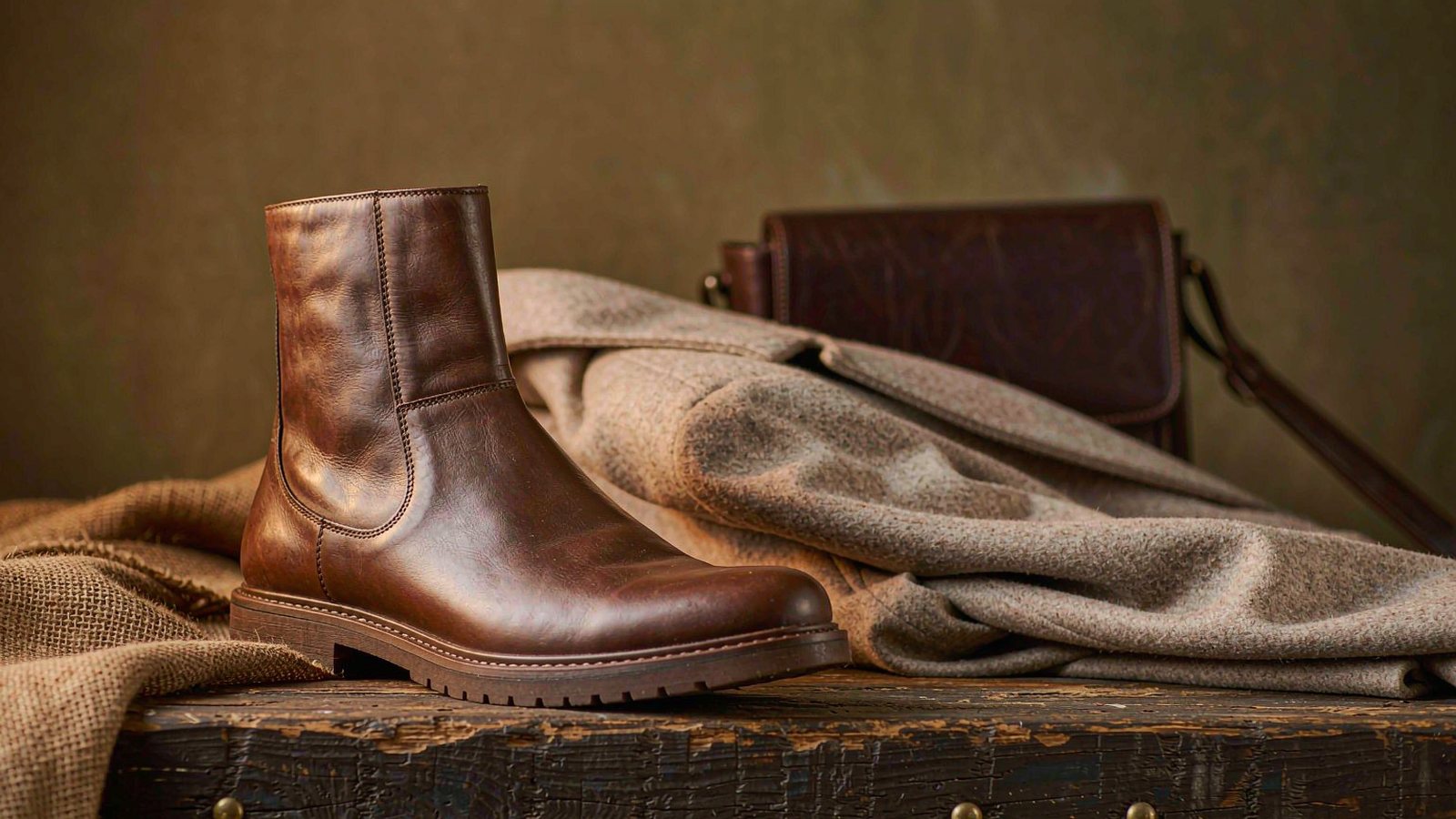
Top picks at a glance
Tap any pick to jump to the full breakdown, or use the link to check the current price.
| Pick | Best for | Check price |
|---|---|---|
| Blundstone 550 Best overall daily boot | Wearing almost every day in wet or cold weather | Check price |
| Thursday Boot Company Duke Best value leather Chelseas | Wearing with chinos and a jacket, day into evening | Check price |
| Dr. Martens 2976 Best rugged look | Anyone who wants a boot that looks like a work boot and takes the same punishment | Check price |
| Red Wing Heritage Chelsea 3190 Best leather quality | Buyers who want a boot to last a decade with proper care | Check price |
| R.M. Williams Craftsman Best premium option | Buyers who want one pair of smart Chelseas and will look after them | Check price |
| Sorel Madson II Chelsea Best for wet winter weather | Cold, wet, gritted streets from November to March | Check price |
The Chelsea boot is one of very few pieces of menswear that has never really gone out of fashion, because it solves a simple problem: a boot you can pull on without laces that still looks tidy enough for work. That versatility is also why the market is so confusing, with near-identical silhouettes at tenfold price differences.
The differences are almost entirely invisible from across a room: how the sole is attached, how good the leather is, and how the elastic panels are made.
Why the Chelsea survived every trend
No laces means nothing to break or tie, and the elastic gusset lets the boot flex with the ankle while keeping a clean line. That combination works with jeans, chinos and tailoring, and it works in rain and light snow. The design has stayed stable for over a century, so the only meaningful variables left are materials and construction quality.
What actually matters when you choose
1. Construction: welted, cemented or moulded
A Goodyear welt stitches the upper to a midsole and outsole in a way that lets a cobbler cut the old sole off and attach a new one, sometimes more than once. It is repairable and stiff at first.
A cemented boot glues the upper to the sole. It is lighter, cheaper and comfortable quickly, but once the sole wears through, the boot is generally finished.
A heat-sealed or vulcanised construction, common on work-style boots, bonds the sole under heat and pressure. It is very durable but usually not resolable in the traditional sense.
2. Leather, and what tanning changes
Full-grain leather keeps the surface of the hide, so it creases gradually, takes polish and holds up. Corrected-grain leather has been sanded and coated for uniformity; it wipes clean but can crack at the flex creases. Suede and nubuck look softer but stain and need protecting from salt and rain. Oil-tanned leathers resist water well and darken with age, which suits boots meant to be worn hard.
3. The elastic gore is the weakest link
Elastic panels are the component most likely to fail first. Quality elastic returns to shape after being stretched; cheap elastic goes slack and lets the boot slop around the ankle. You can extend the life of any pair by loosening the boot with both hands before pulling it on, and by pulling from the back tab rather than the sides.
4. Sole choice changes everything about the look
A leather sole with a thin rubber topsole reads formal and suits tailoring, though it offers less grip in rain. A low-profile rubber sole is the everyday compromise. A deep lugged rubber sole grips best in winter but makes the boot visually casual, whatever the price. Decide which of those three you actually need before comparing leather.
5. Last, width and break-in
Brands build around different lasts, and Chelsea boots have no laces to compensate for a poor fit, so the last matters more here than in almost any other shoe. Blundstone runs wide and large; Red Wing and R.M. Williams run closer to a standard width with a longer break-in. A welted leather boot can take two to four weeks of gradual wear to soften, and a cemented boot is usually comfortable in days.
What we would not pay extra for
- A leather sole on a boot you only wear in rain. Grip should win.
- Designer logos on the elastic. It is the same rubber either way.
- “Italian leather” as a phrase without a tannery name. It tells you little.
- A second pair in the same colour. Rotate two pairs or buy one good one.
A five-year care routine
Brush dirt off after wear rather than before. Wipe salt and grit away promptly in winter. Condition lightly every couple of months, more if the boots get wet often. Use cedar shoe trees to hold the shape and draw out moisture. Let them dry at room temperature, never on a radiator. If the sole has a welt, plan for one resole rather than buying replacements.
How to decide in ten minutes
- Decide the dress code: tailoring, smart casual or casual workwear.
- Choose the sole to match: leather or low rubber for smart, lugged rubber for winter.
- Pick the leather finish that suits your weather, oiled for wet, smooth for dry.
- Try the boot on in the afternoon with the socks and trousers you wear most.
- Walk twenty steps and check the heel hold; with no laces, slip is a deal-breaker.
- Check the current price across two retailers and confirm returns.
When a Chelsea boot is the wrong boot
If you need proper ankle support on rough ground, a laced boot is better, because elastic panels allow movement. If you have a very high instep, many Chelsea lasts will be difficult to get on, and a lace-up is far easier. And if your feet are very wide, the narrow-lasted premium options will not work no matter how good the leather is.
How this guide was assembled
We compared manufacturer construction details, published leather and sole descriptions, and consistent themes in long-term owner reports, including the complaints that surface after a year or more. We have not cut boots open or run durability tests, and we do not quote prices because they change constantly. Where we describe break-in or fit, we are summarising what owners consistently report. Check the current price and returns policy before you buy.
Our picks in detail
Blundstone
01 Blundstone 550
A pull-on boot with no laces, a thick rubber sole and full-grain leather that takes real abuse. The tradeoff is a distinctly casual look and a roomy, wide fit that will not suit narrow feet.
Best for: Wearing almost every day in wet or cold weather
- Full-grain leather upper, one piece with elastic side panels
- Moulded rubber outsole with a defined heel
- Removable cushioned footbed with a shock-absorbing heel insert
- Front and back pull tabs
Pros
- Very little break-in and comfortable immediately
- Sole grips well on wet pavement
- Leather takes polish and hides scuffs
Cons
- Runs wide and large, so sizing down is common
- Reads casual, not smart
We may earn a commission from this link. Learn more.
Thursday Boot Company
02 Thursday Boot Company Duke
A dressier Chelsea with full-grain leather and a Goodyear-welted construction, at a price well below the heritage brands. The leather is decent rather than exceptional, and the welt is a genuine one.
Best for: Wearing with chinos and a jacket, day into evening
- Full-grain leather upper with elastic side gores
- Goodyear welted construction with a resolable sole
- Leather lining and a cushioned insole
- Rubber outsole with a low-profile tread
Pros
- Resolable, which extends the usable life considerably
- Smarter shape than a work-boot Chelsea
- Good value for welted construction
Cons
- Leather is mid-tier and creases visibly
- Break-in of a week or two before it softens
We may earn a commission from this link. Learn more.
Dr. Martens
03 Dr. Martens 2976
The DM Chelsea, with the same air-cushioned sole and yellow welt stitching as the eight-eyelet original. Stiff at first, then extremely durable, and instantly recognisable.
Best for: Anyone who wants a boot that looks like a work boot and takes the same punishment
- Smooth or greasy leather upper with elastic gussets
- Air-cushioned PVC outsole with a distinctive tread
- Heat-sealed and stitched welt construction
- Textile-lined interior
Pros
- Sole lasts a very long time
- Water-resistant in normal rain
- Wide availability and easy to try on
Cons
- Notorious break-in period, especially at the heel
- PVC sole is heavy and can feel hard in cold weather
We may earn a commission from this link. Learn more.
Red Wing
04 Red Wing Heritage Chelsea 3190
Amber harness leather over a Goodyear welt, built in the same factory as the brand's lace-up work boots. It needs real break-in and rewards it with years of service.
Best for: Buyers who want a boot to last a decade with proper care
- Full-grain amber harness leather upper
- Goodyear welted, resolable construction
- Elastic side panels with pull tabs
- Traction Tred rubber outsole
Pros
- Excellent leather that ages well with conditioning
- Fully resolable by a cobbler
- Solid heel and arch support for long days
Cons
- Stiff out of the box, with a genuine break-in
- Premium price and limited stock in some sizes
We may earn a commission from this link. Learn more.
R.M. Williams
05 R.M. Williams Craftsman
A single piece of leather over the whole upper, shaped on the last rather than cut and seamed, which is why it looks cleaner than almost anything else. The price reflects the labour.
Best for: Buyers who want one pair of smart Chelseas and will look after them
- One-piece leather upper, tanned in the brand's own facility
- Goodyear welted with a screwed and stitched sole
- Twin elastic side panels
- Leather lining and leather insole
Pros
- Exceptional leather quality and finish
- Resolable and repairable for decades
- Slim profile that works with tailoring
Cons
- Very expensive
- Firm leather that requires patient break-in
We may earn a commission from this link. Learn more.
Sorel
06 Sorel Madson II Chelsea
A Chelsea silhouette over a fully waterproof construction and a chunky rubber sole, designed for slush rather than for suits. The look is deliberately more modern and heavier.
Best for: Cold, wet, gritted streets from November to March
- Waterproof leather or suede upper with sealed seams
- Moulded rubber outsole with a deep lug pattern
- Removable moulded EVA footbed
- Elastic side panels with a rear pull tab
Pros
- Genuinely waterproof rather than water-resistant
- Deep tread that grips on slush and wet leaves
- Cushioned for walking distances
Cons
- Chunky silhouette does not suit formal wear
- Less classic looking than the heritage picks
We may earn a commission from this link. Learn more.
The bottom line
Our verdict
For everyday wear through autumn and winter, the Blundstone 550 is the one most people should buy: comfortable from the first day, tough, and easy to replace in your size. If you need something dressier, the Thursday Duke gives you a welted, resolable boot without a heritage price tag. Spend up to the Red Wing or the R.M. Williams only if you intend to keep the boots for a decade and will actually condition the leather. And if your winters involve slush and salt, the Sorel is the practical choice, at the cost of looking less like a classic Chelsea.
Frequently asked questions
Should Chelsea boots fit tight at first?
Snug through the instep, with no heel slip, but never pressing on your toes. Leather relaxes across the width and the elastic panels give slightly, so a boot that is only just comfortable in the shop usually becomes right within a few weeks. Length does not change, so do not buy a short boot hoping it will stretch.
How long does the elastic last?
The elastic gore is usually the first thing to wear out, especially on boots you pull on by the loop without loosening them. It typically degrades faster than the leather, and a good cobbler can often replace it. Pull from the back tab with the boot held down, rather than wrenching the elastic sideways.
Can Chelsea boots be worn with a suit?
Yes, if the silhouette is slim and the sole is low profile. A leather-soled or lightly soled Chelsea in black or dark brown works well with tailoring. Chunky rubber-soled boots, particularly those with a deep lug, read as casual regardless of the leather quality.
How often should I condition the leather?
For boots worn a few times a week, a light condition every two to three months, and more often if they get wet or salty. Wipe off road salt promptly, since it dries and cracks leather. Over-conditioning is possible; a thin, even coat is better than a heavy one.
Sources & further reading
- Blundstone — official boot product and sizing pages
- Red Wing — official Heritage boot pages
- R.M. Williams — official Craftsman boot page
Facts and availability last checked September 15, 2026.
Keep going
Related guides
 Shoes & Hats
 The Best Slippers for Cold Floors
Six slippers compared on sole type, lining, wool content and fit, for cold hardwood and tile floors, with honest notes on washing and lifespan.
 Shoes & Hats
 The Best Kids' Shoes That Survive a Whole School Year
Six kids' shoes compared on toe protection, outsole rubber, fastening and width fit, plus how to size for growth without buying shoes that fall apart.
 Shoes & Hats
 The Best Baseball Caps for Every Face Shape
Caps compared on crown structure, depth, brim curve, fabric and closure, with six real models and practical advice on matching a cap to your face and hairline.