The Best Slippers for Cold Floors
Six slippers compared on sole type, lining, wool content and fit, for cold hardwood and tile floors, with honest notes on washing and lifespan.
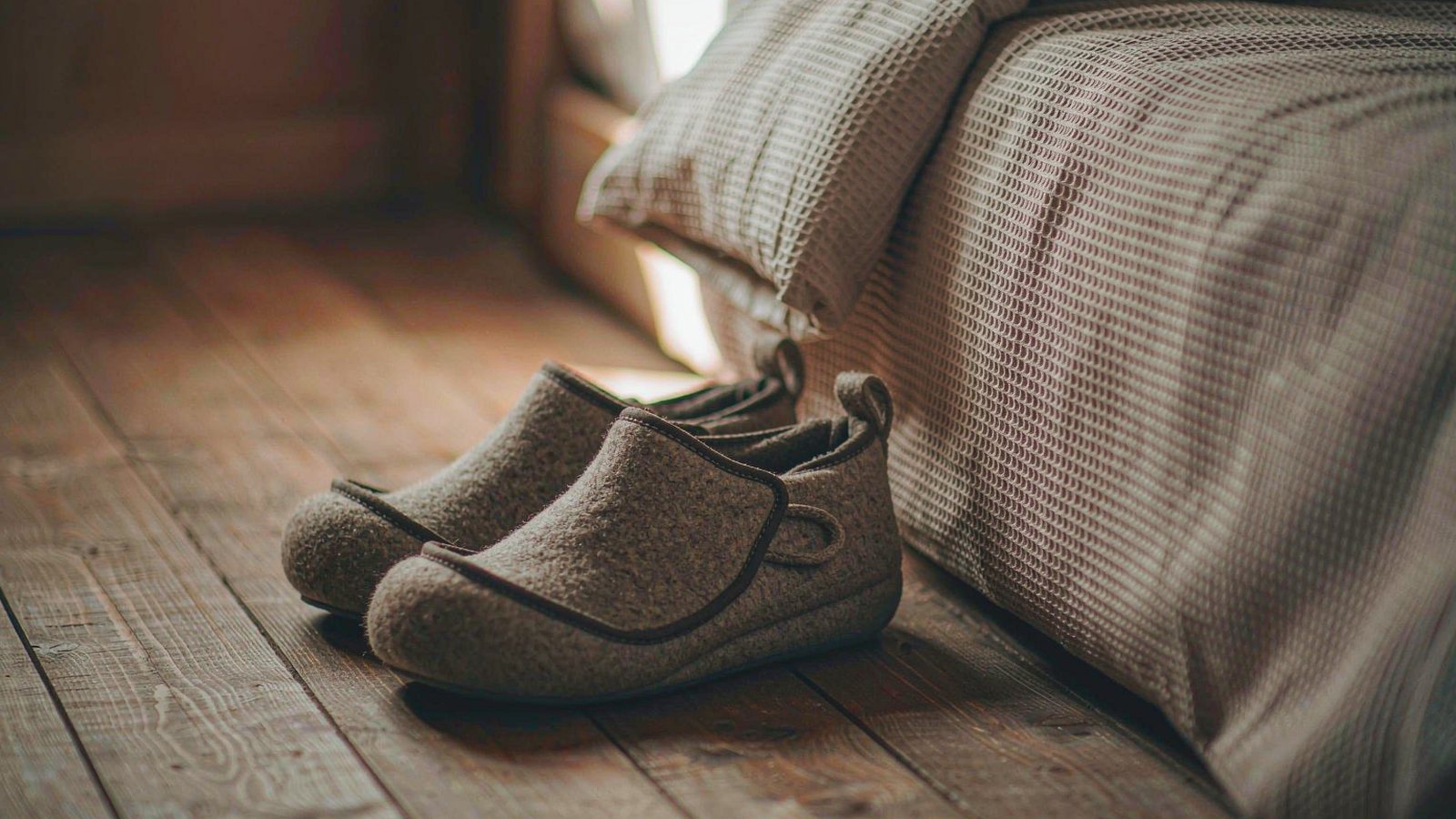
Top picks at a glance
Tap any pick to jump to the full breakdown, or use the link to check the current price.
| Pick | Best for | Check price |
|---|---|---|
| L.L.Bean Wicked Good Slipper Best overall for cold floors | Cold houses, hardwood floors and genuinely chilly feet | Check price |
| UGG Tasman Best for indoor and outdoor | People who drift between the house and the garden or garage | Check price |
| Glerups Shoe with Leather Sole Best wool felt slipper | Anyone who wants warmth without synthetic materials | Check price |
| Birkenstock Zermatt Best for arch support | People with flat feet or plantar fasciitis who still want a warm house shoe | Check price |
| Minnetonka Pile Lined Moccasin Best classic moccasin | Wearing around the house and packing for trips | Check price |
| Dearfoams Memory Foam Clog Slipper Best budget option | Guest pairs, warm-weather houses and anyone on a tight budget | Check price |
Cold floors are the reason slippers exist, and they are also why so many pairs end up unworn. A slipper that is too soft slips off on the stairs, one with a synthetic lining goes clammy by the evening, and one with a thin sole transmits every bit of cold straight through.
Getting it right comes down to three decisions: what the sole is made of, what the lining is made of, and whether you need support or softness.
What a slipper has to solve
A good slipper keeps the foot warm without trapping moisture, stays on the foot when you stand up, and does not become dangerous on a hard floor. Warmth and breathability pull against each other, so the material choice is the whole game. Everything else, from colour to trim, is decoration.
What actually matters when you choose
1. Sole construction
A soft sole, usually suede or leather, is flexible, quiet and comfortable, and it wears out fastest. It also absorbs any moisture on the floor, so it is strictly indoor footwear. A rubber or EVA sole gives grip and lets you step outside, at the cost of weight and flexibility. A moulded contoured sole, as on a cork footbed slipper, adds support and stiffness, which suits people who need it and annoys people who do not.
2. Lining and how it handles sweat
Sheepskin is the benchmark: the leather side wicks and the wool side insulates, and the combination stays comfortable across a wide temperature range. Wool felt does something similar with a lower profile and less bulk. Synthetic pile and memory foam feel luxurious in the shop and become damp and flat within a season. If your feet run hot, avoid fully synthetic linings entirely.
3. Upper materials and shape retention
Suede and sheepskin hold their shape well and look better with wear, but they mark easily. Wool felt compresses into the shape of your foot, which is comfortable but means a slipper that felt snug can become loose. Knitted uppers stretch. Whatever the material, the slipper will end up shaped like your foot, so a bad initial fit will not improve.
4. Indoor against outdoor, and where the line is
Be honest about whether you will step outside in them. If you will, buy a slipper with a rubber sole from the start, because soft soles fail quickly when wet and can be slippery on steps. If the slipper never leaves the house, weight matters more than grip, and a lighter pair will feel better.
5. Sizing, washing and how long they last
Natural linings can felt and shrink slightly with washing, so size up if you are in the middle of two sizes and plan to wash them. Synthetic slippers can generally go in a machine on a gentle cycle; sheepskin and wool felt should be hand washed cool or cleaned professionally. Expect a foam footbed to last a season of daily wear and a sheepskin footbed to last several years with reasonable care.
What we would not pay extra for
- Memory foam marketed as a premium feature. It compresses fastest exactly where you load it.
- A decorative trim on a synthetic slipper. The lining still fails.
- “Orthopaedic” without a contoured footbed. The phrase is not a standard.
- A hard outdoor sole on a bedroom slipper. You will feel it through the floor.
Making slippers last more than a season
Wear them with socks. Let them air out overnight rather than leaving them in a closed shoe cupboard. Rotate two pairs if you wear slippers all day, every day. Keep them away from radiators, which dry out leather and set odours into synthetic linings. If the insole is removable and flat, replacing it is cheaper than replacing the slipper.
A quick decision list
- Decide whether the slipper stays indoors or goes outside; that picks the sole.
- Match the lining to your feet: sheepskin or wool for cold, breathable linings for hot feet.
- Choose support or softness; only a contoured footbed gives real arch support.
- Check the sizing advice for shrinkage if you plan to wash them.
- Try them on with the socks you normally wear indoors.
- Confirm you can return them, because fit in a slipper is personal.
When you need a house shoe instead
If you have plantar fasciitis, heel pain or flat feet, most soft slippers are the wrong choice: they offer no arch support and let the foot flatten, which is exactly what you do not want when you are standing at the kitchen counter. Look for a slipper built on a contoured footbed, or consider a supportive house shoe with a firm sole and a removable insole. Similarly, if you are unsteady on your feet, choose a slipper with a rubber sole and an enclosed heel, and avoid loose backless styles entirely.
How this guide was assembled
This comparison uses published material and construction descriptions, care instructions, and consistent themes in long-term owner reports covering warmth, washing and how quickly each lining flattens. We have not run thermal or durability testing, and we do not quote prices because they change with the season. Where we describe comfort, we are summarising what wearers consistently report. Check the current price and the returns policy before buying.
Our picks in detail
L.L.Bean
01 L.L.Bean Wicked Good Slipper
Sheepskin inside and out, which is the warmest construction here and the reason this slipper has lasted decades in the catalogue. It is bulky, and sheepskin needs more care than a foam slipper.
Best for: Cold houses, hardwood floors and genuinely chilly feet
- Sheepskin lining with a suede or sheepskin upper
- Available in a soft sole or a rubber outdoor sole
- Sheepskin footbed that moulds to the foot
- Published in whole and half sizes
Pros
- Sheepskin regulates temperature better than synthetic fleece
- Footbed moulds to your foot over the first weeks
- Very warm without feeling damp
Cons
- Sheepskin needs hand washing or professional cleaning
- Bulkier and more expensive than foam slippers
We may earn a commission from this link. Learn more.
UGG
02 UGG Tasman
A suede upper with a proper rubber sole and a wool lining, so it works for the letterbox and the shed as well as the sofa. The structured sole makes it heavier than a house slipper.
Best for: People who drift between the house and the garden or garage
- Suede upper with a wool lining
- Moulded rubber outsole suitable for outdoor use
- Braided collar detail
- Slip-on construction
Pros
- Sole is sturdy enough for short trips outside
- Wool lining stays warm and manages moisture
- Holds its shape better than a soft slipper
Cons
- Heavier than a pure indoor slipper
- Suede marks if it gets wet or dirty
We may earn a commission from this link. Learn more.
Glerups
03 Glerups Shoe with Leather Sole
Felted wool in a simple shoe shape with a leather sole and a leather trim at the heel. It is warm without bulk and breathes exceptionally well, though it offers little cushioning.
Best for: Anyone who wants warmth without synthetic materials
- Felted wool upper and footbed
- Leather sole with a leather heel trim
- Handmade in a simple slip-on shape
- Available in versions with a rubber sole for outdoor use
Pros
- Wool felt breathes, so it never feels clammy
- Shape follows the foot without pressure points
- Quiet on floors and lightweight
Cons
- Very little underfoot cushioning
- Not suitable for damp floors or outdoor use in the leather-sole version
We may earn a commission from this link. Learn more.
Birkenstock
04 Birkenstock Zermatt
A slipper built on the same contoured cork and latex footbed as the brand's sandals, in wool felt. It is the only pick here with proper arch support, and it needs the usual break-in.
Best for: People with flat feet or plantar fasciitis who still want a warm house shoe
- Contoured cork and latex footbed with a heel cup
- Wool felt upper
- Latex outsole with a rubber grip section
- Published in narrow and regular widths
Pros
- Genuine arch support and a deep heel cup
- Footbed moulds to your foot over a few weeks
- Warm without being heavy
Cons
- Firm underfoot, and it needs a break-in
- Cork footbed should not get wet
We may earn a commission from this link. Learn more.
Minnetonka
05 Minnetonka Pile Lined Moccasin
A soft suede moccasin with a pile lining and a flexible sole, in a shape people either love or find too soft. Good value, and it packs flat for travel.
Best for: Wearing around the house and packing for trips
- Suede upper with a pile lining
- Flexible suede or rubber sole depending on model
- Hand-stitched moccasin construction
- Slip-on fit
Pros
- Very soft and comfortable from day one
- Light and easy to pack
- Simple, classic shape
Cons
- Pile lining flattens with use
- Minimal support and cushioning
We may earn a commission from this link. Learn more.
Dearfoams
06 Dearfoams Memory Foam Clog Slipper
A washable clogs-style slipper with a memory foam footbed and a rubber sole, available widely and cheaply. Comfortable at first, but the foam is the first thing to go.
Best for: Guest pairs, warm-weather houses and anyone on a tight budget
- Memory foam footbed with a plush lining
- Indoor and outdoor rubber sole on most models
- Machine washable
- Clog-style slip-on fit
Pros
- Very cheap, so easy to buy several pairs
- Machine washable
- Sole works for stepping outside briefly
Cons
- Memory foam compresses within months
- Synthetic lining holds odour more than wool
We may earn a commission from this link. Learn more.
The bottom line
Our verdict
For a genuinely cold house on hard floors, the L.L.Bean Wicked Good Slipper is the warmest and most comfortable option, as long as you accept the care requirements of sheepskin. If you need to step outside, the UGG Tasman has the better sole. If your feet need support rather than softness, the Birkenstock Zermatt is the only pick here built on a proper contoured footbed, and the Dearfoams is the sensible way to equip a guest room without spending much.
Frequently asked questions
Are sheepskin slippers worth the money?
If your feet are cold most of the winter and you wear slippers daily, yes. Sheepskin regulates temperature and moisture far better than synthetic fleece, and it moulds to the shape of your foot. The catch is care: sheepskin needs gentle hand washing or specialist cleaning, and it does not respond well to a machine. Treat it as a long-term purchase rather than a cheap one.
Can I wear slippers outside?
Only those with a rubber or firm sole designed for it. A soft suede or leather sole will absorb water, lose its shape and become slippery within one wet trip. If you regularly step outside, choose a slipper described as indoor and outdoor, and expect it to be heavier.
How do I stop slippers smelling?
Air them out daily and wear them with socks rather than barefoot, because sock fabric wicks moisture away from the lining. Wool felts and sheepskin resist odour better than synthetic fleece. For washable slippers, follow the care label and dry them flat, since a hot dryer distorts the sole and flattens the lining.
Should slippers be tight or loose?
Snug across the instep and roomy at the toes. A slipper that is too loose will slip off on stairs, which is a real hazard, and one that is too tight will flatten the lining quickly. If you are between sizes, size up in wool, which can felt and shrink slightly, and stay true to size in synthetic linings.
Sources & further reading
- L.L.Bean — official Wicked Good slipper product pages
- Glerups — official wool slipper product pages
- Birkenstock — official Zermatt product page
Facts and availability last checked September 15, 2026.
Keep going
Related guides
 Shoes & Hats
 The Best Kids' Shoes That Survive a Whole School Year
Six kids' shoes compared on toe protection, outsole rubber, fastening and width fit, plus how to size for growth without buying shoes that fall apart.
 Shoes & Hats
 The Best Baseball Caps for Every Face Shape
Caps compared on crown structure, depth, brim curve, fabric and closure, with six real models and practical advice on matching a cap to your face and hairline.
 Shoes & Hats
 The Best Slides and Sandals for Summer
Slides, sport sandals and recovery footwear compared on footbed material, arch support, strap durability and wet grip, plus which ones suit long walks.