The Best Slides and Sandals for Summer
Slides, sport sandals and recovery footwear compared on footbed material, arch support, strap durability and wet grip, plus which ones suit long walks.
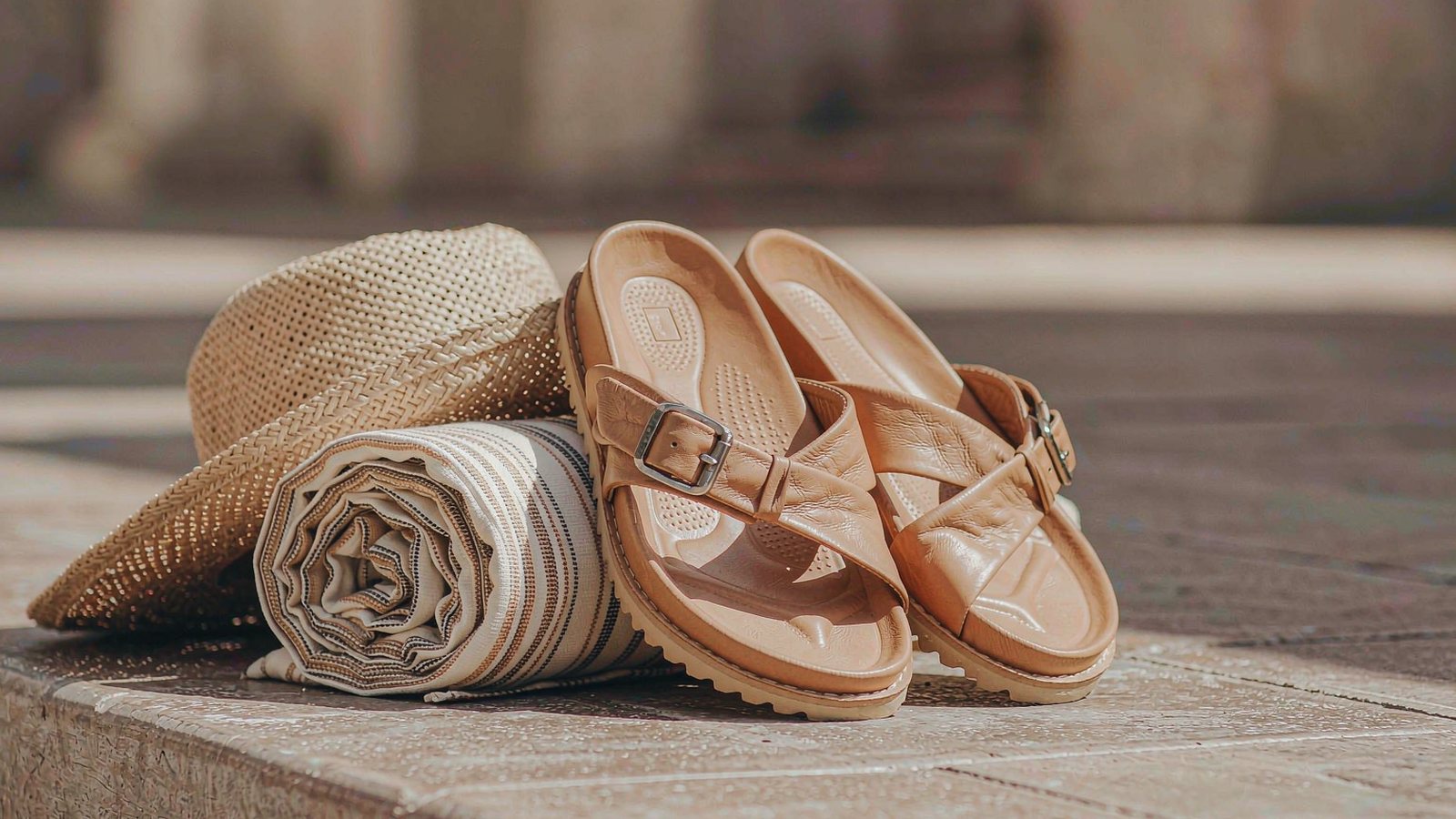
Top picks at a glance
Tap any pick to jump to the full breakdown, or use the link to check the current price.
| Pick | Best for | Check price |
|---|---|---|
| Birkenstock Arizona Best overall sandal | Everyday summer wear and standing around for hours | Check price |
| Adidas Adilette 22 Best everyday slide | Gym changing rooms, poolside and short errands | Check price |
| Teva Original Universal Best for water and travel | Beaches, rivers, travel and any sandal that gets wet constantly | Check price |
| Chaco Z/Cloud 2 Best for long walks | Walking all day, including on uneven ground | Check price |
| HOKA Ora Recovery Slide 3 Best recovery slide | Wearing around the house or after exercise | Check price |
| Crocs Classic Clog Best washable everyday option | Gardens, boats, hospital corridors and anywhere mud happens | Check price |
Summer footwear gets bought in a hurry, usually the week a heatwave starts, and then worn for four months straight. The category is also genuinely three different products pretending to be one: the slide you wear to the pool, the sport sandal you hike in, and the contoured sandal you stand in all day.
Getting the type right matters more than the brand. A soft foam slide used as daily walking footwear will leave your feet aching, and a heavy technical sandal is overkill for a trip to the shops.
Three purchases, not one
Slides and clogs are one-piece moulded footwear with a strap across the instep. They are cheap, waterproof and easy to clean. They provide minimal support, and they are best for short distances and quick trips.
Sport sandals use webbing straps and an adjustable fit to hold the foot in place. They handle water, uneven ground and long walks far better, at the cost of looking technical.
Contoured footbed sandals are built around a shaped cork or foam bed with arch support and a heel cup. They start firm and mould to your foot, and they are the only type here designed for standing around for hours.
What actually matters when you choose
1. Footbed material
Cork and latex moulds to your foot and gives genuine support, but it dislikes water and needs a break-in. Moulded EVA foam is light, waterproof and immediately comfortable, but it compresses where you load it and never recovers its shape. Polyurethane footbeds sit between the two: firmer than EVA, more water-tolerant than cork, and more durable than either at the same thickness.
2. Straps and how they hold the foot
Suede and leather straps look better and soften with wear, but they stain and should not get wet repeatedly. Webbing straps dry fast and adjust easily, and they are the right choice for water. Moulded foam uppers, as on most slides, are comfortable and completely unstructured, so your toes grip to keep the shoe on, which gets tiring.
3. Arch support and heel cups
A contoured footbed with a raised arch and a heel cup spreads load across the whole foot. A flat slab of foam puts the work on your heel and toes. If you spend the summer standing, this is the single most important difference between two sandals that look alike on the shelf.
4. Grip on wet ground
Smooth rubber on wet tile or pool decking is the classic summer fall. Look for siping, the thin cuts in the tread, and a softer compound that stays tacky when cold or wet. Deep mud lugs are not helpful here and reduce the contact area on hard surfaces.
5. Break-in, cleaning and fit
Cork footbeds should be kept dry; webbing sandals can be rinsed and hung up; foam slides can go under a tap. None of them should be left in a hot car, because heat distorts moulded foam and dries cork until it cracks. On fit, remember that a slide has nothing to hold your foot forward, so it should be snug across the instep without your toes gripping.
What we would not pay extra for
- Designer branding on a moulded EVA slide. The material is the same across price points.
- Memory foam in a sandal. It compresses fastest in exactly the places you need it.
- Waterproof leather. The straps and the footbed will still suffer.
- A tread pattern borrowed from a hiking boot. Wrong tool for pavement.
How to decide which one you need
- Be honest about your longest regular walk in sandals. Over thirty minutes, disregard plain slides.
- Choose the footbed: cork for support, EVA for water, polyurethane for a middle ground.
- Match the straps to your environment: webbing for water, leather or suede for dry heat.
- Check the heel cup. If your heel slides sideways, the size or the shape is wrong.
- Wear them for ten minutes in the shop, then check the return policy before committing.
When you need a proper shoe instead
If you have plantar fasciitis, diabetes, or any condition affecting sensation in your feet, open footwear is a poor choice for anything beyond short distances. Sandals offer no protection from stubbed toes or dropped objects, and no heel counter to stabilise the foot. In those cases a breathable shoe with a supportive insole will keep you cooler than you expect and protect your feet far better.
How this guide was put together
This comparison is based on manufacturer material specifications, published footbed descriptions and consistent themes in long-term owner reports. We have not measured cushioning or grip in a laboratory, and we do not quote prices because they change with the season. Where we describe comfort or break-in, we are summarising what owners consistently report. Always check the current price and the returns policy before buying.
Our picks in detail
Birkenstock
01 Birkenstock Arizona
A cork and latex footbed that moulds to your foot over a few weeks, with two adjustable straps and a deep heel cup. It needs a genuine break-in and a narrow or regular width choice.
Best for: Everyday summer wear and standing around for hours
- Contoured cork and latex footbed with a deep heel cup
- Two adjustable straps with metal pin buckles
- Suede lining against the foot
- Published in narrow and regular widths
Pros
- Footbed moulds to the shape of your foot over time
- Built-in arch support, which is rare in a sandal
- Resolable by a cobbler in many cases
Cons
- Several weeks of break-in before it feels right
- Cork footbed dislikes being soaked
We may earn a commission from this link. Learn more.
Adidas
02 Adidas Adilette 22
A single moulded EVA slide with a sculpted footbed and a soft, chunky profile. Cheap, light and easy to hose down; it offers almost no arch support.
Best for: Gym changing rooms, poolside and short errands
- One-piece moulded EVA construction
- Contoured footbed with drainage-friendly surface
- Textured outsole
- Wipeable and quick drying
Pros
- Very light and comfortable for short wear
- Fully waterproof and easy to clean
- Low cost
Cons
- No arch support to speak of
- EVA compresses and flattens with heavy use
We may earn a commission from this link. Learn more.
Teva
03 Teva Original Universal
Webbing straps that dry fast and adjust at several points, on a rubber sole with real grip. It is the sandal people take river rafting and pack for a trip because it survives everything.
Best for: Beaches, rivers, travel and any sandal that gets wet constantly
- Quick-drying polyester webbing straps
- Multiple hook-and-loop adjustment points
- Moulded EVA midsole with arch support
- Rubber outsole with a grippy tread
Pros
- Dries within minutes after getting wet
- Secure fit thanks to several adjustment points
- Grips well on wet rock and boat decks
Cons
- Straps can rub before they soften
- Minimal cushioning under the heel
We may earn a commission from this link. Learn more.
Chaco
04 Chaco Z/Cloud 2
A single continuous strap threaded through the sole, with a firm, supportive footbed and a lugged outsole. It is heavier and takes time to adjust the straps properly.
Best for: Walking all day, including on uneven ground
- Continuous polyester webbing strap through the midsole
- Cloud footbed with published arch support
- Lugged rubber outsole for trail use
- Adjustable strap with a single buckle
Pros
- Noticeably more supportive than a flat slide
- Outsole copes with gravel and light trail
- Straps can be rethreaded and replaced
Cons
- Heavy for a sandal
- Strap adjustment takes patience to get right
We may earn a commission from this link. Learn more.
HOKA
05 HOKA Ora Recovery Slide 3
A very thick, soft EVA slide designed to be worn after long runs or hard days on your feet. The stack is high enough that it feels unstable on uneven ground.
Best for: Wearing around the house or after exercise
- Thick moulded EVA midsole with a meta-rocker geometry
- Wide, padded upper strap
- Textured footbed
- Lightweight construction
Pros
- Very comfortable underfoot for tired feet
- Rocker shape helps you roll through a step
- Light despite the thickness
Cons
- High stack is unstable on grass or gravel
- Too soft for genuinely long walks
We may earn a commission from this link. Learn more.
Crocs
06 Crocs Classic Clog
Worn by everyone from chefs to gardeners, and still the easiest summer shoe to clean. The foam is soft rather than supportive, and the fit is wide and loose by design.
Best for: Gardens, boats, hospital corridors and anywhere mud happens
- Moulded foam construction with ventilation ports
- Pivoting heel strap for a secure fit
- Washable and quick drying
- Textured footbed
Pros
- Rinse clean under a tap
- Extremely light
- Wide fit that suits broad feet
Cons
- Little arch support
- Foam softens and spreads with heavy daily use
We may earn a commission from this link. Learn more.
The bottom line
Our verdict
If you want one pair for the whole summer and your feet need support, the Birkenstock Arizona is the safest choice, as long as you give the cork footbed a few weeks to mould. For anything involving water, the Teva Original Universal is far more practical. If you will be walking distances, choose the Chaco, and if you just want something to slide into after a run or a shift, the HOKA Ora is the most comfortable of the soft options.
Frequently asked questions
Do sandals need a break-in period?
Cork and leather footbeds do. A Birkenstock-style footbed shapes itself to your foot over a few weeks of regular wear, and it can feel hard and unfamiliar at first. Synthetic EVA and foam sandals are comfortable immediately but do not mould at all, so they never improve with age.
Can I wear slides all day?
You can, but the lack of a heel counter and arch support means your foot has to work harder to stay in place. Soft foam slides are best treated as short-distance footwear. For a full day on your feet, a sandal with a contoured footbed and a strap behind the heel, or the ankle, holds the foot far better.
How do I clean cork footbeds?
Keep water away from them. Wipe with a barely damp cloth and let them air dry away from direct heat, because cork cracks when it dries too fast. For suede-lined footbeds, a soft brush removes most of the grime. If the cork edge starts to crumble, a cobbler can sometimes replace or reseal it.
Are expensive sandals worth it?
For the contoured footbeds, usually yes, because the shaping and the arch support are what you are paying for and they last for years with care. For simple moulded slides, no. Those are functionally similar across price bands, so buy on fit and colour rather than brand.
Sources & further reading
- Birkenstock — official Arizona product and footbed pages
- Teva — official sandal product pages
- Chaco — official sandal product pages
Facts and availability last checked September 15, 2026.
Keep going
Related guides
 Shoes & Hats
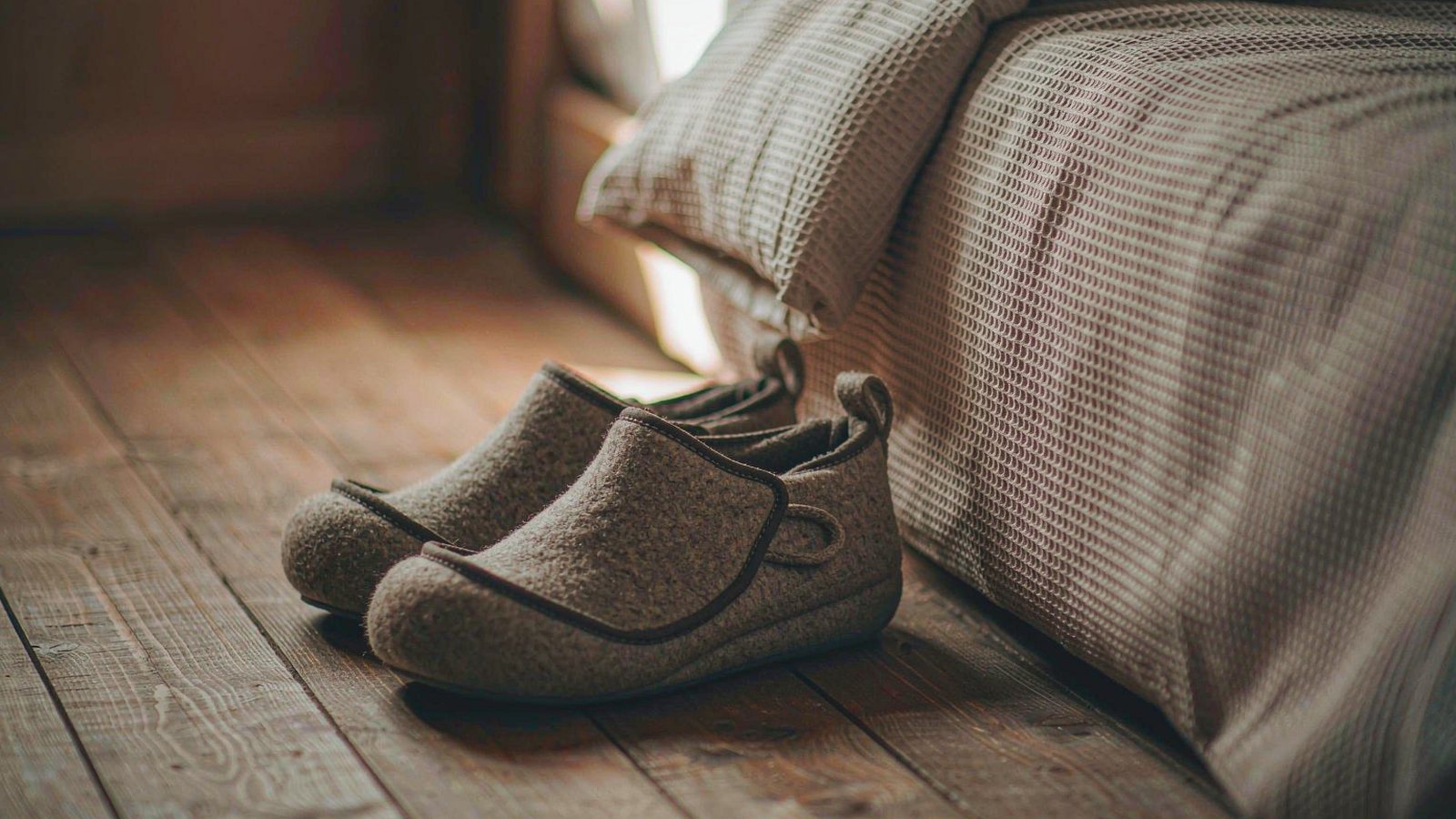
 The Best Slippers for Cold Floors
Six slippers compared on sole type, lining, wool content and fit, for cold hardwood and tile floors, with honest notes on washing and lifespan.
 Shoes & Hats
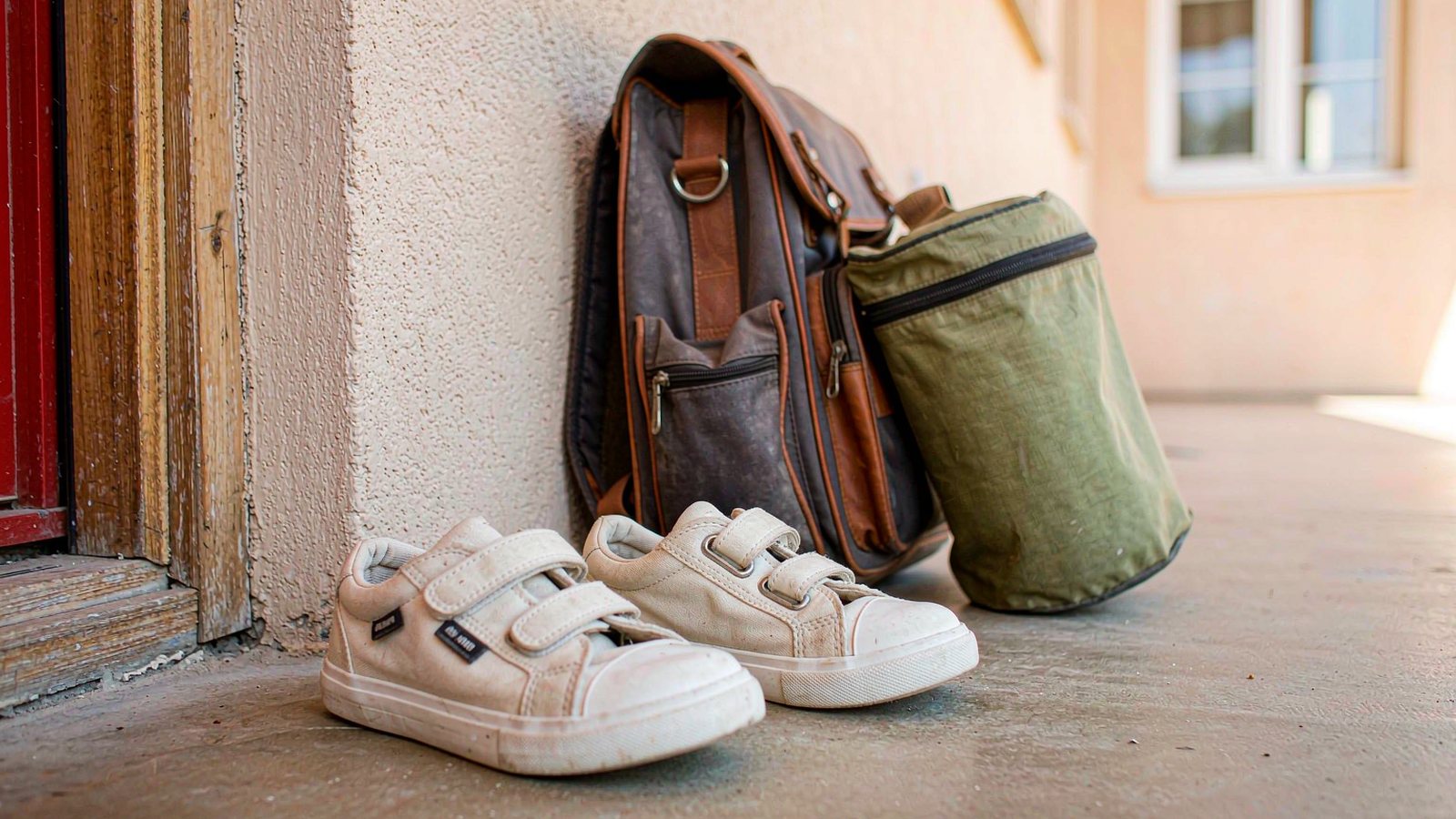
 The Best Kids' Shoes That Survive a Whole School Year
Six kids' shoes compared on toe protection, outsole rubber, fastening and width fit, plus how to size for growth without buying shoes that fall apart.
 Shoes & Hats
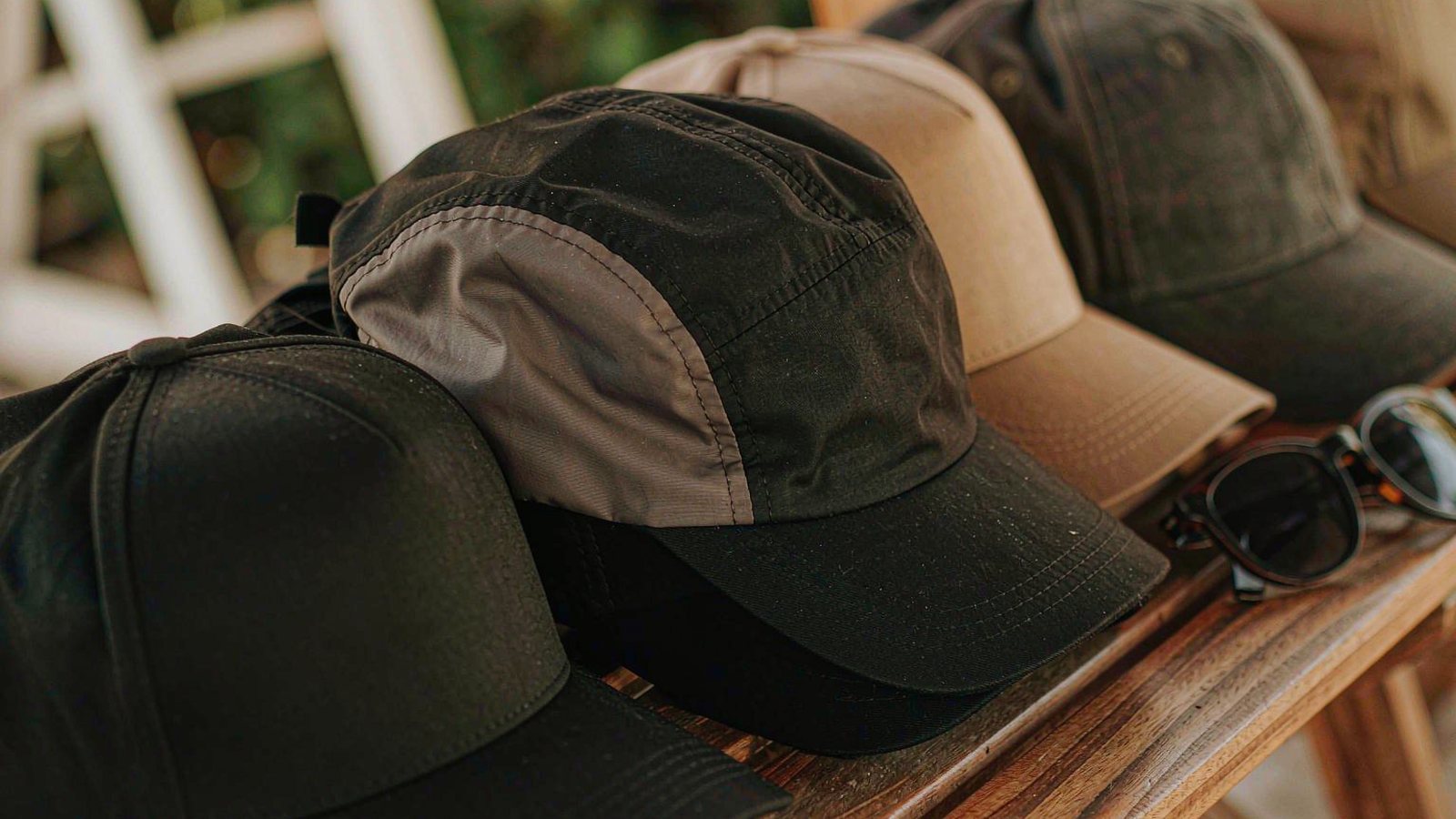
 The Best Baseball Caps for Every Face Shape
Caps compared on crown structure, depth, brim curve, fabric and closure, with six real models and practical advice on matching a cap to your face and hairline.