The Best Running Shoes for Beginners Who Just Started
A beginner's guide to daily running shoes: heel drop, cushioning, fit width and break-in, with six real models compared on published specs and owner reports.
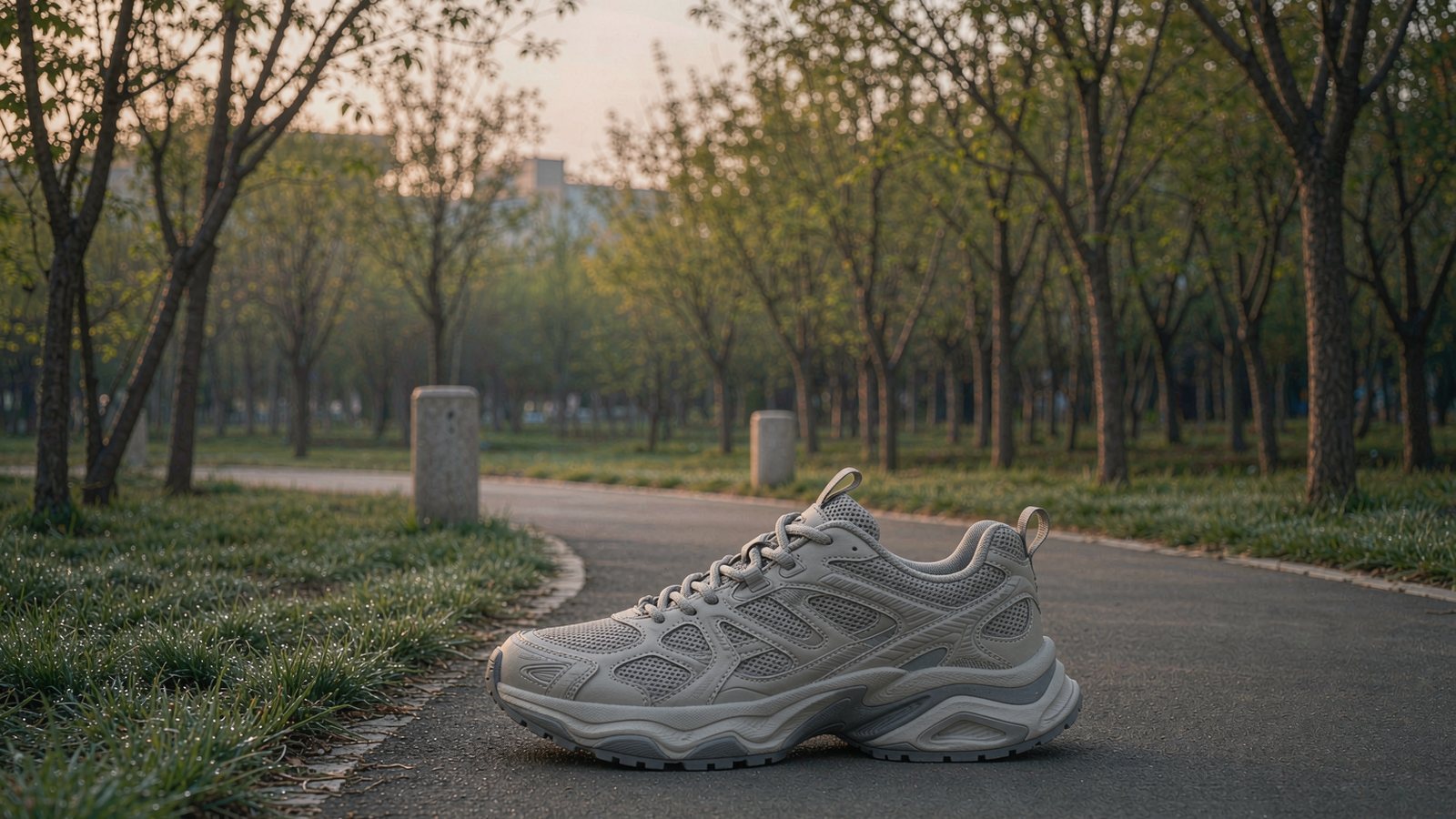
Top picks at a glance
Tap any pick to jump to the full breakdown, or use the link to check the current price.
| Pick | Best for | Check price |
|---|---|---|
| Brooks Ghost 16 Best overall for a first pair | New runners building a base of three to five easy runs a week | Check price |
| ASICS Gel-Nimbus 26 Best for high cushioning | Runners on hard pavement who want maximum cushioning underfoot | Check price |
| Hoka Clifton 9 Best light cushioned trainer | Runners who want cushioning without a heavy shoe | Check price |
| Nike Pegasus 41 Best do-everything trainer | Beginners who want a single pair that covers every kind of run | Check price |
| Saucony Ride 17 Best value neutral trainer | Beginners who want a proven neutral trainer without paying flagship prices | Check price |
| New Balance Fresh Foam X 1080v13 Best for long slow distance | Runners training for a first 10K or half who want a plush long-run shoe | Check price |
Most first running shoes get bought on the way home from work, in whatever colour was on the shelf, and that is fine right up to the point where something starts hurting. The shoe is not the only variable in beginner running, but it is the one you can control before you have built any fitness at all.
This guide is aimed at someone running two to four times a week on pavement and park paths, covering three to ten kilometres. If you are training for a marathon, or you run on technical trails, the shortlist changes completely.
Start with the two things that are already decided
Before comparing models, work out two facts about yourself.
How you land. Watch a slow-motion video on a phone from the side, or ask someone to watch you run past. If your heel hits first, you will be comfortable in a shoe with a moderate to high heel drop. If you land further forward, a lower drop feels more natural.
Your width. Stand on a sheet of paper in socks and trace the outline. If the widest part of your foot overhangs the traced line, or the shoe you currently wear bulges at the sides, you need a wide width rather than a bigger size. This single decision rules out more shoes than any other.
What actually matters when you choose
1. Heel drop changes how your legs work
Heel drop is the difference in stack height between the heel and the forefoot, and it is published for most running shoes. A 10 to 12 mm drop puts you closer to a heel strike and asks less of the calf and Achilles. A 4 to 6 mm drop shifts load forward and asks more ankle mobility. Neither is better; the mistake is jumping from a 12 mm everyday shoe straight into a 4 mm racer in the same week. Move down gradually, a few millimetres at a time.
2. Cushioning and support are different products
Soft foam absorbs impact. Support stops the foot rolling too far inward. Marketing often blurs the two. A very soft shoe is not automatically a supportive one, and a firm stability shoe is not automatically uncomfortable. Beginners are usually best served by a neutral trainer with moderate cushioning, because it tolerates a range of running styles while your form settles.
3. The last, and why it runs narrow or wide
Shoemakers build around a last, and the last determines width, toe box shape and heel volume. Some brands publish this as widths (narrow through extra wide); others only offer a medium. If you have a broad forefoot or a high instep, prioritise the brands that publish multiple widths, because a shoe that squeezes the toes will cause problems long before the foam wears out.
4. Break-in should be short
A modern running shoe with a mesh upper and a foam midsole should feel comfortable from the first run. There may be a little settling in the first twenty kilometres, but nothing that requires blisters and patience. If a pair hurts at kilometre three, it will still hurt at kilometre thirty. Walk-in comfort is a legitimate test.
5. Outsole compound and tread pattern
Look at where the rubber is thickest. Beginners who heel strike wear the outer heel first, and a shoe with a thin, exposed midsole there will show damage early. Smooth, shallow tread is right for pavement; deeper lugs belong on trail. Many daily trainers use a harder carbon rubber in the heel for durability and a softer blown rubber under the forefoot for grip, which is a sensible compromise for mixed use.
What we would not pay extra for
- Carbon plates. They are built for racing pace and can feel unforgiving at easy effort.
- Knit uppers with a lifetime-waterproof claim. Running feet sweat; waterproof membranes usually just trap it.
- A shoe marketed purely by stack height. More foam is not automatically more comfortable over an hour.
- Matching a shoe to a “gait analysis” from a shopping-centre treadmill. Useful as a rough guide, not as a diagnosis.
How to decide in ten minutes
- Measure your foot width on paper and decide whether you need a wide fit.
- Pick a drop: 10 to 12 mm if you heel strike or have tight calves, 6 to 8 mm if you are unsure, 4 to 5 mm only if you already run in low-drop shoes.
- Choose a neutral daily trainer from a brand that publishes several widths.
- Try it on late in the day, when feet are at their largest, with the socks you actually run in.
- Take a short jog on the pavement outside the shop, not just a walk around the carpet.
- Check the current price against a couple of retailers, and keep the receipt.
Who should skip this category entirely
If you walk more than you run, buy a walking or cross-training shoe instead. They are built with a stiffer forefoot and a slightly different heel geometry that rolls you forward more comfortably at walking pace. Likewise, if a physiotherapist has already told you that you have a specific injury history, follow that advice over any general list, including this one.
A note on how this guide was put together
This comparison is based on manufacturer specification pages, published width and drop figures, and consistent themes in verified owner reports collected months after launch rather than on announcement day. We have not put these shoes through instrumented lab testing, and we do not quote prices, because they move constantly. Where we describe how a shoe feels, we are describing what owners consistently report, not a measurement we took ourselves. Always check the current price and the return policy before buying.
Our picks in detail
Brooks
01 Brooks Ghost 16
A neutral daily trainer that has stayed in the line-up for years because it does nothing strange. The published 12 mm drop suits heel strikers, and the fit is genuinely mid-width rather than narrow.
Best for: New runners building a base of three to five easy runs a week
- Neutral daily trainer with DNA Loft v3 midsole foam
- Published 12 mm heel-to-toe drop
- Engineered mesh upper with a padded collar
- Segmented Crash Pad rubber under the heel
Pros
- Tolerant of sloppy first-year form
- Wide range of widths published, including wide and extra wide
- Outsole rubber is thick enough that wear is gradual
Cons
- Heavier than the light-and-fast trainers
- Not a stability shoe, so it suits neutral gait only
We may earn a commission from this link. Learn more.
ASICS
02 ASICS Gel-Nimbus 26
The plush end of the market. If your joints complain after a run on pavement, this is the direction to look, though the softness costs you some road feel.
Best for: Runners on hard pavement who want maximum cushioning underfoot
- FF Blast+ Eco midsole foam with rearfoot gel cushioning
- Published 8 mm heel-to-toe drop
- Engineered knit upper with a gusseted tongue
- Reflective detailing on the heel
Pros
- Very generous cushioning for long slow miles
- Gusseted tongue keeps the midfoot locked down
- Upper breathes well in warm weather
Cons
- Soft midsole feels vague if you prefer a firmer ride
- Premium tier pricing among daily trainers
We may earn a commission from this link. Learn more.
HOKA
03 Hoka Clifton 9
An older generation now that newer versions exist, which is exactly why it is worth a look if it is still stocked in your size. Low published drop and a rockered geometry encourage a quicker turnover.
Best for: Runners who want cushioning without a heavy shoe
- Compression-moulded EVA midsole with a rockered geometry
- Published 5 mm heel-to-toe drop
- Flat-waisted outsole for a broader landing platform
- Recycled-content mesh upper
Pros
- Light for the amount of foam underfoot
- Rockered sole helps beginners keep their feet moving
- Often discounted once a successor arrives
Cons
- Low drop can aggravate tight calves if you switch suddenly
- Outsole rubber wears faster than the heavier trainers
We may earn a commission from this link. Learn more.
Nike
04 Nike Pegasus 41
One shoe for easy days, tempo runs and the walk to the gym. The published 10 mm drop sits in the middle of the range, which makes it an easy first purchase for someone who has not worked out their preference yet.
Best for: Beginners who want a single pair that covers every kind of run
- ReactX foam midsole with Air Zoom units front and rear
- Published 10 mm heel-to-toe drop
- Engineered mesh upper with a wider forefoot than earlier versions
- Waffle-pattern rubber outsole
Pros
- Comfortable straight out of the box with minimal break-in
- Holds up to mixed use on road and light path
- Widely stocked, so trying a size is easy
Cons
- Not outstanding at any single job
- Some owners report a snug midfoot, so size up if in doubt
We may earn a commission from this link. Learn more.
Saucony
05 Saucony Ride 17
A quietly competent daily trainer that usually undercuts the big names. Published 8 mm drop, a durable outsole and a fit that runs close to true to size.
Best for: Beginners who want a proven neutral trainer without paying flagship prices
- PWRRUN+ midsole cushioning
- Published 8 mm heel-to-toe drop
- Full-coverage rubber outsole with a forefoot flex groove
- Padded tongue and heel collar
Pros
- Strong price-to-performance for the cushioning on offer
- Outsole rubber lasts well on abrasive pavement
- Mid-drop geometry suits a range of landing styles
Cons
- Upper feels plainer than the premium competition
- Runs slightly narrow for very wide feet
We may earn a commission from this link. Learn more.
New Balance
06 New Balance Fresh Foam X 1080v13
The long-run shoe, with a soft stack of Fresh Foam X and a published 6 mm drop. New Balance publishes a genuinely useful range of widths, which matters more than most spec-sheet numbers.
Best for: Runners training for a first 10K or half who want a plush long-run shoe
- Fresh Foam X midsole with a soft heel and firmer forefoot
- Published 6 mm heel-to-toe drop
- Bootie-style knit upper with a small reflective heel tab
- Published in multiple widths including wide and extra wide
Pros
- Comfortable for two-hour efforts
- Excellent width availability
- Upper wraps the midfoot without pressure points
Cons
- Soft heel can feel unstable on gravel or trail edges
- Premium price bracket
We may earn a commission from this link. Learn more.
The bottom line
Our verdict
For a genuine beginner, the Brooks Ghost is the lowest-risk starting point: the mid-range drop, published wide sizing and dependable outsole rubber make it forgiving while your form settles down. If your knees ache on pavement, the Gel-Nimbus is the softer option, and the Hoka Clifton is the one to look at if lightness matters more than plushness. The Saucony Ride is the best way to spend less without giving up much, and the New Balance 1080 is worth the extra only if you are building towards longer distances. Whatever you choose, buy from somewhere with a real return window and run indoors for ten minutes before you commit.
Frequently asked questions
Do I need a stability shoe as a beginner?
Usually not. Stability shoes add firmer material or a guide rail on the inner side of the midsole, and they help a minority of runners whose ankles roll in noticeably. Most beginners do better in a neutral trainer. If you have had repeated ankle or shin problems, get a gait assessment before spending money on a corrective shoe.
How long should a running shoe last?
The common range quoted across the industry is roughly 300 to 500 miles of running, though body weight, surface and your own gait all move that number. Retire a pair from running when the midsole feels flat rather than springy, even if the outsole rubber still looks intact. Demote it to a walking shoe at that point.
Can I run in my normal trainers?
For a few weeks, yes, if they are cushioned and fit well. What usually goes wrong is that everyday sneakers have a flatter, stiffer sole and a thinner heel than a running shoe, so longer distances start to hurt in the shins and forefoot. Once running becomes a habit, dedicated shoes are worth the money.
Should I size up for running shoes?
Many runners go half a size up from their everyday shoe, because feet swell during a run and the toes need room to spread on landing. The practical test is a thumb's width between your longest toe and the front of the shoe with the laces loose. If the shoe has a narrow published last and you have wide feet, look for a wide width rather than sizing up twice.
Sources & further reading
- Brooks — official running shoe product and specification pages
- ASICS — official product and technology pages
- HOKA — official product pages
Facts and availability last checked September 15, 2026.
Keep going
Related guides
 Shoes & Hats
 The Best Slippers for Cold Floors
Six slippers compared on sole type, lining, wool content and fit, for cold hardwood and tile floors, with honest notes on washing and lifespan.
 Shoes & Hats
 The Best Kids' Shoes That Survive a Whole School Year
Six kids' shoes compared on toe protection, outsole rubber, fastening and width fit, plus how to size for growth without buying shoes that fall apart.
 Shoes & Hats
 The Best Baseball Caps for Every Face Shape
Caps compared on crown structure, depth, brim curve, fabric and closure, with six real models and practical advice on matching a cap to your face and hairline.