The Best Winter Hats and Beanies for Real Cold
Six winter hats compared on fibre, knit density, crown shape, lining and fit, plus how to pick a beanie that stays warm without itching or slipping.
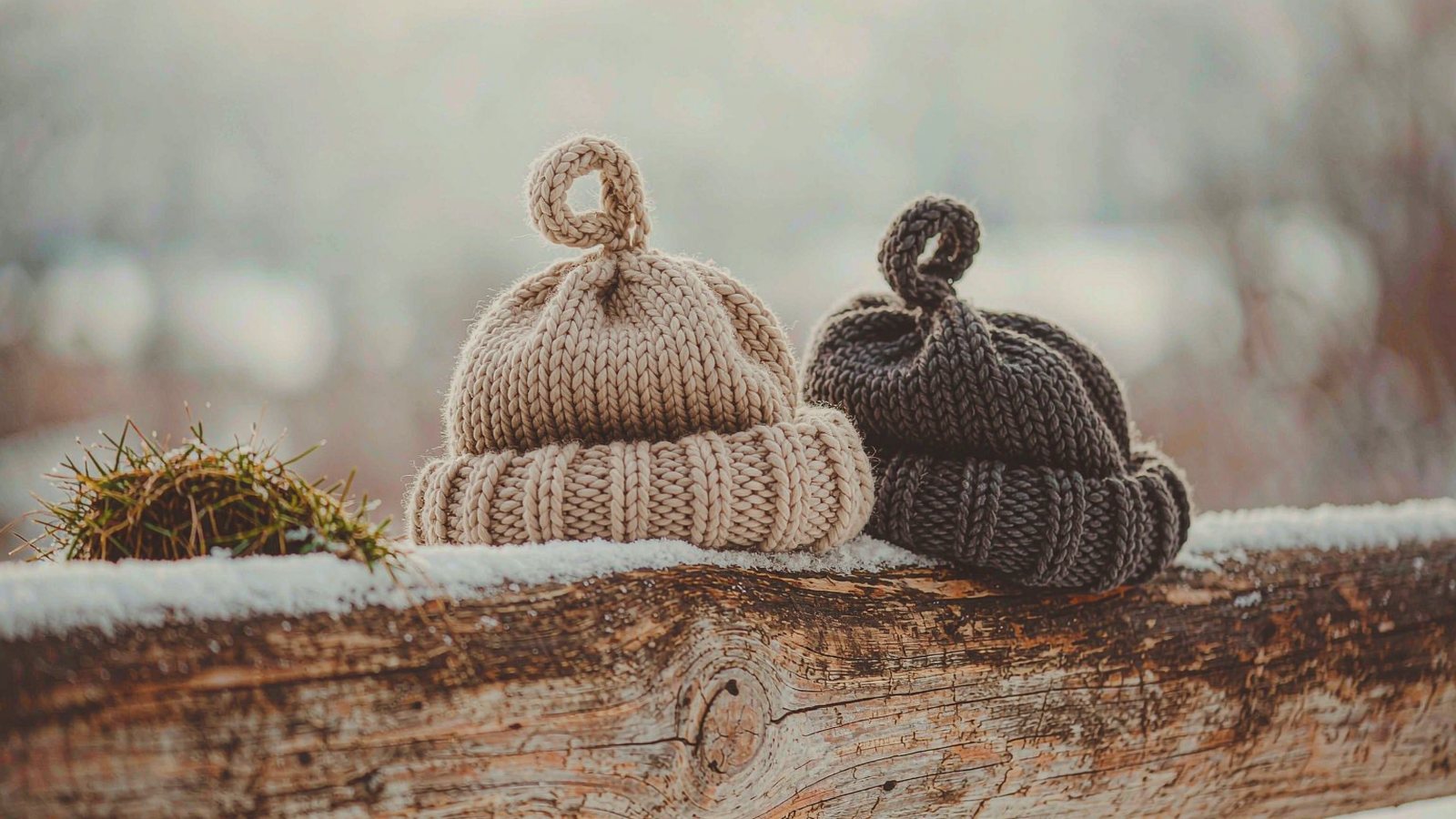
Top picks at a glance
Tap any pick to jump to the full breakdown, or use the link to check the current price.
| Pick | Best for | Check price |
|---|---|---|
| Carhartt Acrylic Watch Hat Best overall everyday beanie | Everyday cold-weather wear and a beanie you can lose without grieving | Check price |
| Smartwool Merino 250 Cuffed Beanie Best merino option | Commuting, travel and anyone who overheats in synthetic hats | Check price |
| The North Face Salty Dog Beanie Best lined warmth | Cold, windy commutes and walking the dog in February | Check price |
| Patagonia Brodeo Beanie Best for outdoor use | Hiking, skiing and cold-weather commuting | Check price |
| Arc'teryx Bird Head Toque Best low-profile technical hat | Layering under a hood, helmet or a jacket collar | Check price |
| Woolrich Cuffed Wool Blend Beanie Best classic wool look | Country wear, cold cities and anyone who wants a traditional knit | Check price |
A winter hat is one of the cheapest pieces of kit that makes a real difference, and one of the easiest to get wrong. Buy on colour alone and you end up with a hat that is too warm on the train, too thin in the wind, or itchy across the forehead by the time you reach the office.
The variables that decide whether a beanie works are simple: the fibre, the knit density, how deep the crown sits, and whether the cuff can be adjusted.
Warmth is fibre plus fit, not thickness
A chunky acrylic hat and a fine merino hat can weigh the same and feel completely different. Fibre determines how well the hat holds warmth when you sweat and how comfortable it is against your skin. Fit determines whether cold air gets in at the sides and whether the hat stays on when the wind picks up. Thickness matters, but it is the third variable, not the first.
What actually matters when you choose
1. Fibre: wool, merino, acrylic and blends
Merino is fine, soft and good at managing moisture, which makes it the most comfortable option for commuting or active wear. It costs the most and needs careful washing. Coarse wool is warmer and very durable but often itchy. Acrylic is cheap, holds colour and shape, washes easily and does not breathe well, which shows up as a sweaty forehead indoors. Blends combine wool’s warmth with nylon for durability or acrylic for stretch, and they are what most mid-priced hats use.
2. Crown shape and knit structure
A watch cap is the plain ribbed cylinder with a folded cuff, which is the most versatile shape. A fisherman beanie is shorter, worn above the ears, and looks deliberate rather than practical. A cuffed beanie with a deep fold gives you the option of single or double coverage over the ears. A pom hat adds a decorative top but does not change warmth. Rib knits stretch more than flat knits; denser flat knits block wind better.
3. Depth and ear coverage
Depth decides warmth more than most specifications suggest. A hat that stops above the ears leaves the most cold-sensitive part of your head exposed. A deep crown that comes down past the ears is warmer but can interfere with glasses arms and hoods. If you wear glasses, check that the hat sits above the temple arms rather than pressing on them.
4. Linings and wind resistance
A fleece or jersey band lining at the forehead adds warmth and reduces itch, and it is the single feature that most improves a cheap hat. Fully lined hats are warmer but heavier and hotter indoors. Wind resistance comes from knit density rather than fibre; a tightly knit wool hat blocks wind well, while a loose chunky knit lets it straight through.
5. Stretch, fit and care
A hat should be snug without compressing your head. Rib knits stretch to fit a wide range, so one size genuinely can work. Care matters more than most people expect: hot water and a tumble dryer will felt wool and stretch acrylic permanently. Cool water and flat drying keep a knit hat in shape for years.
What we would not pay extra for
- A designer patch on an acrylic beanie. The fibre is the same as a budget hat.
- A “thermal” claim with no fibre detail. Woolled and lined is the real signal.
- A pom for warmth. It is decoration.
- Waterproof knitwear. Knits absorb water; treat a wet hat as a wet hat.
How to test a beanie in the shop
Put it on and pull it down over your ears, then look in a mirror and check whether your glasses sit normally. Rub the cuff against your forehead for a few seconds to test for itch. Squeeze the knit to judge density: a tight knit with little light coming through blocks more wind. Finally, fold the cuff once and check whether it stays folded, because a loose cuff will creep up during a walk.
Deciding in five minutes
- Decide whether you run hot or cold; hot runners should start with merino, cold ones with wool or a lined hat.
- Choose coverage: past the ears for standing around, a low profile for active use.
- Pick knit density for your wind exposure.
- Check the cuff folds deep enough to adjust through the day.
- Confirm the washing instructions match how much effort you will realistically put in.
Who should buy a different kind of hat
If you spend hours outdoors in serious cold, a knit hat is not enough on its own. Look for a windproof technical hat or a hat with ear flaps, and consider a hood as well. If your main problem is sun rather than cold, a wide-brimmed hat is the right purchase. And if you need a hat to fit under a helmet, prioritise a close, low-profile knit over warmth, because a bulky cuff will stop the helmet sitting correctly.
How this guide was put together
This roundup draws on published fibre content, knit descriptions and construction details, plus consistent themes in owner reports about warmth, itching and how the hats hold up after a season of washing. We have not run thermal testing, and we do not quote prices because they move with the season. Where we describe warmth or comfort, we are summarising what wearers consistently report. Check the current price and the return policy before buying.
Our picks in detail
Carhartt
01 Carhartt Acrylic Watch Hat
The plain ribbed watch cap that has been worn on job sites for decades. Acrylic keeps its shape and costs little, though it does not breathe as well as wool and can feel clammy indoors.
Best for: Everyday cold-weather wear and a beanie you can lose without grieving
- Rib-knit acrylic construction
- Fold-up cuff
- Stretch fit that suits most head sizes
- Square woven label at the cuff
Pros
- Holds its shape wash after wash
- Stretches to fit almost any head
- Very low cost
Cons
- Acrylic does not breathe, so it gets sweaty indoors
- Not as warm as a dense wool knit
We may earn a commission from this link. Learn more.
Smartwool
02 Smartwool Merino 250 Cuffed Beanie
A dense merino knit that regulates temperature and stays comfortable indoors, which most acrylic hats do not. It costs more and needs gentler washing.
Best for: Commuting, travel and anyone who overheats in synthetic hats
- Merino wool knit, mid-weight
- Fold-over cuff for adjustable coverage
- Non-itch construction
- Machine washable on a wool cycle
Pros
- Breathes well, so it works indoors and out
- Merino resists odour and stays warm when damp
- Comfortable against the skin
Cons
- Higher price than acrylic
- Can shrink or felt if washed hot
We may earn a commission from this link. Learn more.
The North Face
03 The North Face Salty Dog Beanie
A rib-knit hat with a fleece-lined band, which makes a noticeable difference on a windy walk. The tradeoff is a bulkier fit that some people find too warm in transit.
Best for: Cold, windy commutes and walking the dog in February
- Rib-knit construction with a fleece ear band lining
- Cuffed brim
- Woven logo patch at the front
- Stretch fit
Pros
- Fleece lining adds real warmth at the ears
- Comfortable for long outdoor wear
- Widely available and easy to replace
Cons
- Warm enough that it is uncomfortable indoors
- Bulkier than a plain watch cap
We may earn a commission from this link. Learn more.
Patagonia
04 Patagonia Brodeo Beanie
A recycled wool and nylon blend knit that holds up to repeated use on cold hikes and commutes, with a fold-up cuff you can wear low over the ears. The wool blend is warm without being bulky.
Best for: Hiking, skiing and cold-weather commuting
- Recycled wool and nylon knit
- Deep fold-up cuff
- Mid-weight construction
- Knit in a ribbed pattern
Pros
- Warm for its weight
- Wool blend resists sagging better than pure acrylic
- Cuff can be pulled down over the ears
Cons
- Wool blend feels rougher than merino
- Colour options change frequently
We may earn a commission from this link. Learn more.
Arc'teryx
05 Arc'teryx Bird Head Toque
A finely knit wool and acrylic toque with a flat logotype, cut close to the head so it works under a helmet or a hood. The close fit means less coverage at the ears.
Best for: Layering under a hood, helmet or a jacket collar
- Fine wool and acrylic knit construction
- Low-profile crown that sits close to the head
- Flat woven logo at the front
- Lightweight and packable
Pros
- Sits flat under a helmet or hood
- Neat, unbranded look
- Packs down to almost nothing
Cons
- Less warmth than a chunky cuffed beanie
- Close fit can leave the earlobes exposed
We may earn a commission from this link. Learn more.
Woolrich
06 Woolrich Cuffed Wool Blend Beanie
A thick wool-blend cuff knit in a traditional shape, warm and durable, with the heritage look that goes with a heavy coat. Pure wool blends need careful washing and can be scratchy at first.
Best for: Country wear, cold cities and anyone who wants a traditional knit
- Wool blend rib knit with a wide fold-up cuff
- Deep crown that covers the ears
- Traditional chunky gauge
- Woven brand label on the cuff
Pros
- Very warm for a knit hat
- Chunky knit looks good with winter outerwear
- Cuff folds down for extra coverage
Cons
- Wool blend can feel itchy on sensitive skin
- Needs hand washing or a cold wool cycle
We may earn a commission from this link. Learn more.
The bottom line
Our verdict
For most people the Carhartt watch hat is the sensible default: cheap, warm enough for a normal winter and impossible to ruin. If you overheat indoors or want a hat that stays comfortable all day, the merino Smartwool is worth the extra money. For genuinely cold, windy weather, the fleece-lined North Face is the warmest practical option, and for anything technical or helmet-compatible, the close-fitting Arc'teryx toque is the better shape.
Frequently asked questions
Are wool hats warmer than acrylic?
Gram for gram, wool insulates better and manages moisture far better, which is why it stays comfortable when you move between cold streets and warm trains. Acrylic is cheaper, holds colour well and is easy to wash, but it traps moisture and can feel clammy. A blend of the two is a reasonable middle ground, which is why so many winter hats use one.
How do I stop a beanie itching?
Itching usually comes from coarse wool fibres in a loose knit. A finer merino knit, or a hat with a fleece or jersey lining at the forehead, solves it for most people. Wearing the hat over a hood or a thin headband also helps. Washing a new wool hat once in a wool-safe detergent can soften the fibres slightly.
Should a beanie cover my ears?
For real cold, yes. Ears are one of the first places to feel the chill because they have little insulating tissue. A cuffed beanie that you can fold down over the ears gives you both options. A low-profile technical toque sits closer to the head and may leave the earlobes exposed, so it suits active use or layering rather than standing still in the cold.
How should I wash a knit hat?
Check the label, because wool and acrylic need different treatment. Wool generally wants cool water, a wool-cycle or hand wash and a wool-safe detergent, then flat drying away from heat. Acrylic can go in a machine on a gentle cycle, but hot water and a hot dryer will stretch it out of shape. Never hang a wet knit hat, since the weight pulls it longer.
Sources & further reading
- Smartwool — official merino accessory product pages
- Patagonia — official headwear product pages
- Arc'teryx — official accessory product pages
Facts and availability last checked September 15, 2026.
Keep going
Related guides
 Shoes & Hats
 The Best Slippers for Cold Floors
Six slippers compared on sole type, lining, wool content and fit, for cold hardwood and tile floors, with honest notes on washing and lifespan.
 Shoes & Hats
 The Best Kids' Shoes That Survive a Whole School Year
Six kids' shoes compared on toe protection, outsole rubber, fastening and width fit, plus how to size for growth without buying shoes that fall apart.
 Shoes & Hats
 The Best Baseball Caps for Every Face Shape
Caps compared on crown structure, depth, brim curve, fabric and closure, with six real models and practical advice on matching a cap to your face and hairline.